
Lavender tea is known for its gentle aroma and potential health benefits, such as calming the mind, promoting better sleep, soothing discomfort, and supporting skin health. However, research remains limited, and most studies focus on lavender extracts rather than the tea itself.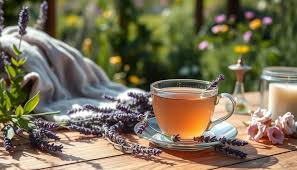
This soothing drink is made by steeping the dried purple buds of the Lavandula angustifolia plant in hot water.
Below are four possible benefits of lavender tea and extracts, supported by current research.
1. May Help Boost Mood
Lavender is widely used in aromatherapy and as a natural remedy for anxiety, depression, and fatigue.
Studies suggest that compounds in lavender can influence brain activity and neurotransmitter function, helping to create a sense of calm and improve overall mood.
While both inhaling lavender oil and taking lavender supplements have been linked to improved mood, evidence for lavender tea specifically is more limited.
In a 2020 study of 60 older adults, those who drank two cups of lavender tea daily for two weeks reported lower levels of anxiety and depression compared with a placebo group.
Similarly, a 2015 study involving 80 new mothers found that drinking one cup (250 mL) of lavender tea daily — and taking time to enjoy its aroma — helped reduce fatigue and depression. However, after four weeks, the benefits faded, suggesting short-term effects.
2. May Improve Sleep
Lavender’s calming properties may also support better sleep quality, although direct research on lavender tea and sleep is limited.
Studies on lavender essential oil, however, show encouraging results.
A 2025 study of 100 chemotherapy patients found that those who inhaled lavender essential oil for 20 minutes before bed for five nights experienced better sleep and less fatigue compared with those who used a placebo.
Likewise, a 2015 study in 158 postpartum women found that inhaling lavender fragrance multiple times per week significantly improved sleep quality.
These findings indicate that drinking lavender tea before bedtime may promote relaxation and help you sleep more peacefully.
3. May Help Ease Menstrual Cramps
Menstrual cramps are a common discomfort many people experience before or during their periods.
A 2021 review found that lavender oil aromatherapy, particularly when combined with abdominal massage, effectively reduced menstrual pain and overall discomfort.
Although no research has directly studied lavender tea for menstrual relief, its aroma and mild sedative properties may provide similar benefits. More research is needed to confirm these effects.
4. May Support Healthy Skin
Lavender oil has been found to have anti-inflammatory, antibacterial, antioxidant, and anti-aging effects.
A 2025 study revealed that topical use of lavender oil can:
-
Improve skin cell function and regeneration
-
Reduce oxidative stress
-
Enhance wound healing
-
Strengthen the skin’s protective barrier
Additionally, a 2025 laboratory study showed that combining lavender essential oil with lavender hydrosol reduced levels of bacteria such as E. coli, Pseudomonas aeruginosa, Staphylococcus aureus, and Candida albicans.
These results suggest that lavender may help support skin health and aid the healing process.
How to Make Lavender Tea and Use Lavender Extracts
Though studies are limited, lavender tea is a relaxing beverage that can provide mild benefits and comfort.
To prepare lavender tea:
-
Place ½ teaspoon of dried lavender buds in a cup.
-
Add 1 cup (250 mL) of hot water.
-
Let it steep for a few minutes, then strain and enjoy.
For topical use:
Mix a few drops of lavender essential oil with a carrier oil such as coconut or jojoba oil before applying to the skin. Perform a patch test first to check for sensitivity.
For aromatherapy:
Add a few drops of lavender oil to a diffuser or apply to a cotton ball or tissue and inhale the scent.
Consult a healthcare professional before using lavender products regularly, especially if you have medical conditions or take medication.
Possible Side Effects and Precautions
As with many herbal remedies, lavender should be used carefully.
Lavender supplements are not standardized, meaning ingredient quality and amounts may vary between products.
Possible side effects of lavender tea or supplements include:
-
Nausea
-
Diarrhea
-
Headache
-
Burping
Inhalation of lavender oil can sometimes cause coughing or headaches.
Although rare, a 2012 case report linked lavender tea to a rapid heartbeat.
Undiluted essential oils can irritate the skin, so always mix them with a carrier oil before applying.
The safety of lavender during pregnancy or breastfeeding is not well established. Because lavender can affect the nervous system, speak with your doctor before use, particularly if you take sedatives or other medications.
Frequently Asked Questions
Can lavender tea help lower blood pressure?
Research is limited, but some studies suggest that lavender aromatherapy may help reduce blood pressure levels.
Is it safe to drink lavender tea every day?
Yes. Lavender tea made from store-bought tea bags or dried buds is generally safe for daily use.
Does lavender tea contain caffeine?
No, pure lavender tea is naturally free of caffeine.
The Bottom Line
Lavender tea and extracts may help reduce stress, promote better sleep, support skin health, and lift your mood.
While most scientific research centers on lavender oils and aromatherapy rather than tea, enjoying a cup of lavender tea can still be a peaceful way to relax and unwind.
Even if its main effects come from its pleasant fragrance, lavender tea remains a comforting, caffeine-free drink that encourages calm and balance.