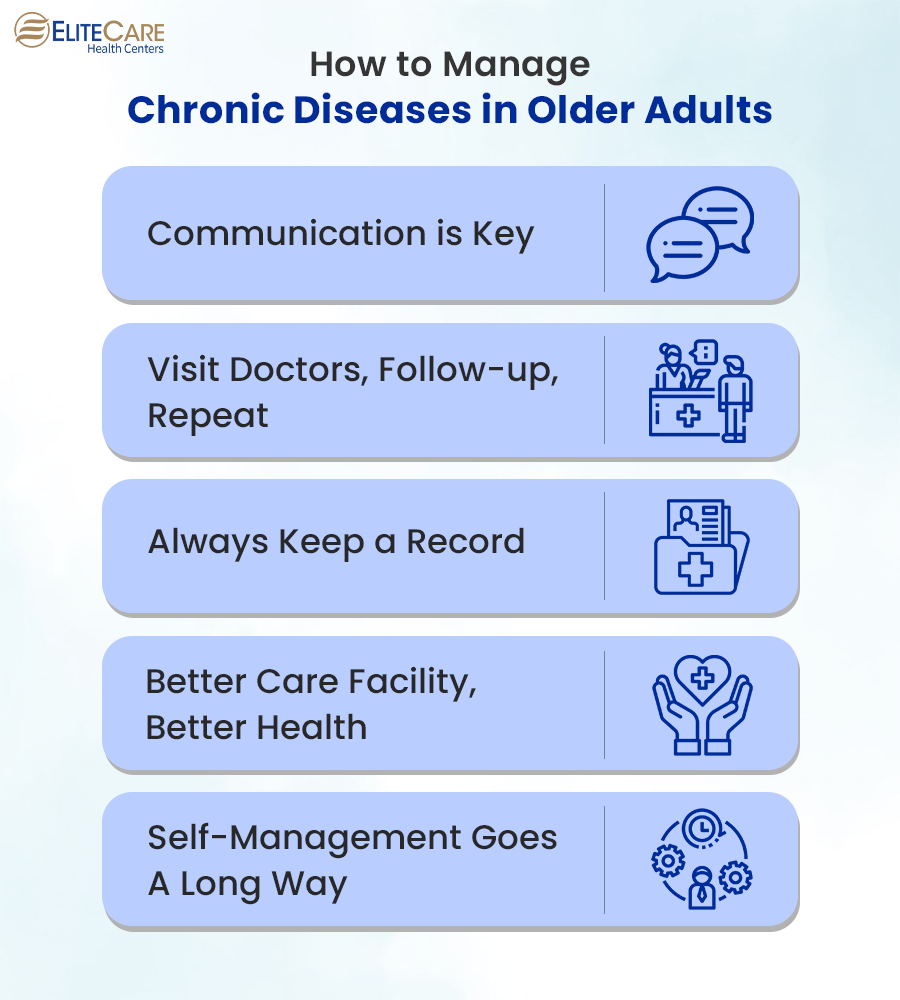

Navigating the complexities of long-term health maintenance requires more than just occasional visits to the doctor’s office; it demands strategic, day-to-day choices. Effective chronic condition management advice focuses on empowering patients with the tools, knowledge, and collaborative networks needed to maintain stability and prevent sudden health crises. Whether you are newly diagnosed or looking to refine an existing regimen, shifting toward a proactive mindset transforms how you handle ongoing wellness.
In this guide, you will learn how to build a robust healthcare support network, establish clear medical milestones, and utilize modern monitoring tools to track your progress. By integrating personalized health guidance into your routine, you can minimize symptom flare-ups, optimize your daily energy levels, and cultivate long-term resilience against the challenges of living with a persistent illness.
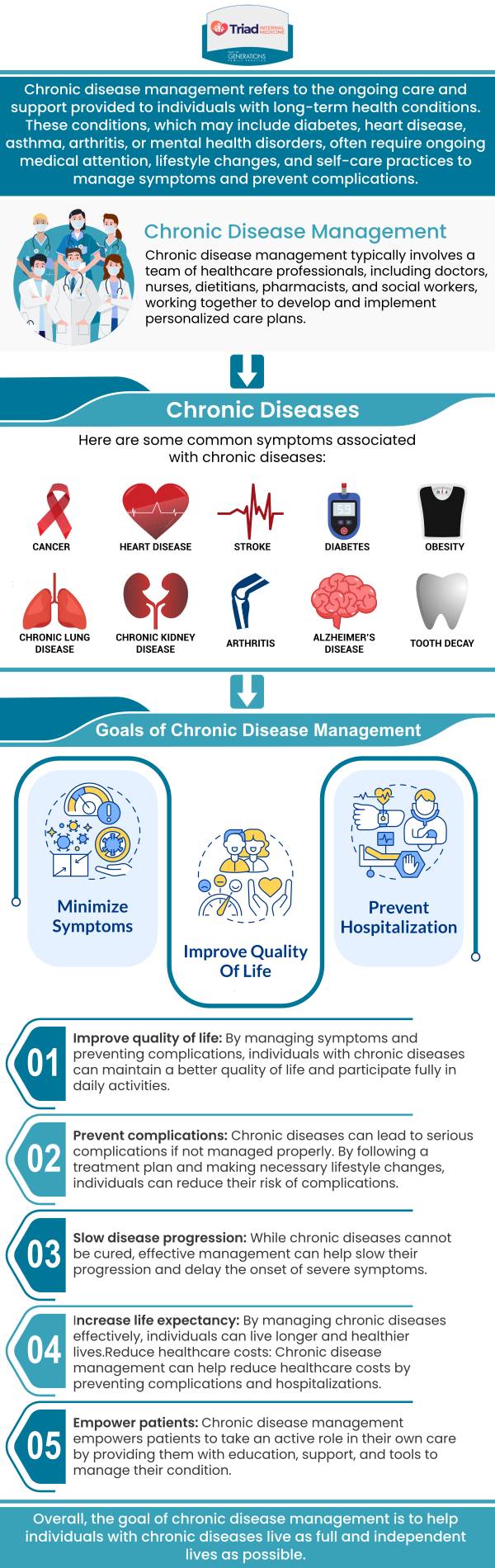
1. Comprehensive Comprehensive Chronic Condition Management Advice and Strategies
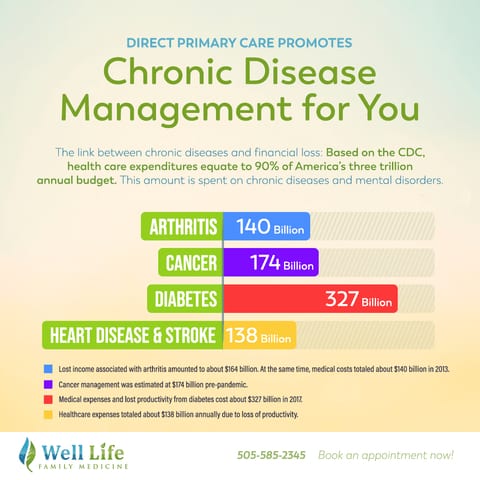
1.1 Understanding the Foundations of Chronic Disease Self-Management
1.1.1 Defining chronic conditions and their progression
Chronic conditions are long-term health challenges that typically persist for a year or more, requiring ongoing medical attention and severely limiting activities of daily living. Understanding how these illnesses progress—often involving gradual physiological decline punctuated by acute flare-ups—is critical for anticipating future health needs. By recognizing early patterns of disease progression, patients can adopt proactive coping mechanisms long before symptoms escalate into emergencies.
1.1.2 The paradigm shift from reactive acute care to proactive lifestyle management
Traditional healthcare has long relied on a reactive model, treating symptoms only after they manifest acutely. However, effective chronic condition management advice emphasizes a vital shift toward proactive, daily self-care. This modern paradigm prioritizes regular monitoring, preventive habits, and sustainable lifestyle modifications that keep underlying conditions stable and minimize the frequency of clinical interventions.
1.1.3 Integrating physical, mental, and emotional health priorities
Living with a long-term illness places a heavy strain not just on the body, but also on the mind. Effective long-term care requires a holistic approach that bridges physical symptom management with psychological support. Addressing anxiety, depression, and emotional burnout is just as crucial as managing physiological markers, ensuring that treatment plans support overall well-being rather than just isolated physical metrics.
1.2 Building a Collaborative Healthcare Support Network
1.2.1 Leveraging primary care physicians for long-term health planning
Your primary care physician serves as the central hub of your medical team, guiding your overall health trajectory and coordinating specialized interventions. Establishing a long-term therapeutic partnership with your primary doctor ensures that all aspects of your care remain synchronized. For deeper insights into crafting a proactive wellness roadmap, exploring a preventive health consultation can help establish baseline clinical goals.
1.2.2 Incorporating specialists, dietitians, and physical therapists effectively
Complex health profiles often demand a multidisciplinary approach involving cardiologists, endocrinologists, clinical nutritionists, and physical therapists. Each specialist contributes unique expertise to your care ecosystem, helping you fine-tune targeted interventions like exercise regimens or nutritional adjustments. Working in tandem with these professionals ensures that every facet of your daily routine is optimized for disease stabilization.
1.2.3 Mastering communication strategies for productive medical consultations
Appointment times are often brief, making clear and concise communication essential. Patients can maximize their clinical encounters by preparing prioritized question lists, keeping accurate logs of daily symptoms, and actively participating in shared decision-making. Clear dialogue eliminates misunderstandings and ensures that treatment adjustments align directly with your lived experience.
1.3 Creating an Actionable and Personalized Care Plan
1.3.1 Setting realistic, measurable health milestones with clinical oversight
Transforming broad health aspirations into achievable daily habits requires breaking goals down into realistic, measurable milestones. Whether tracking blood pressure targets, daily step counts, or dietary modifications, setting incremental benchmarks prevents overwhelm. Collaborating with your clinical team ensures these milestones remain both challenging and safely attainable.
1.3.2 Streamlining medication regimens and tracking potential side effects
Managing multiple prescriptions requires meticulous organization to prevent missed doses and adverse drug interactions. Implementing pill organizers, digital reminders, and maintaining an up-to-date medication list simplifies daily routines. Furthermore, systematically tracking side effects allows you to report subtle adverse reactions to your physician swiftly before they compromise your quality of life.
1.3.3 Developing emergency protocols for symptom flare-ups and sudden changes
Even with optimal daily management, unexpected symptom flare-ups can occur. Having a clearly written emergency action plan—outlining exact red-flag symptoms, designated urgent care contacts, and initial stabilization steps—empowers patients to act decisively during health crises. This preparedness minimizes panic and ensures timely, appropriate medical intervention when it matters most.
2. Sustainable Lifestyle Integration and Advanced Monitoring Tools
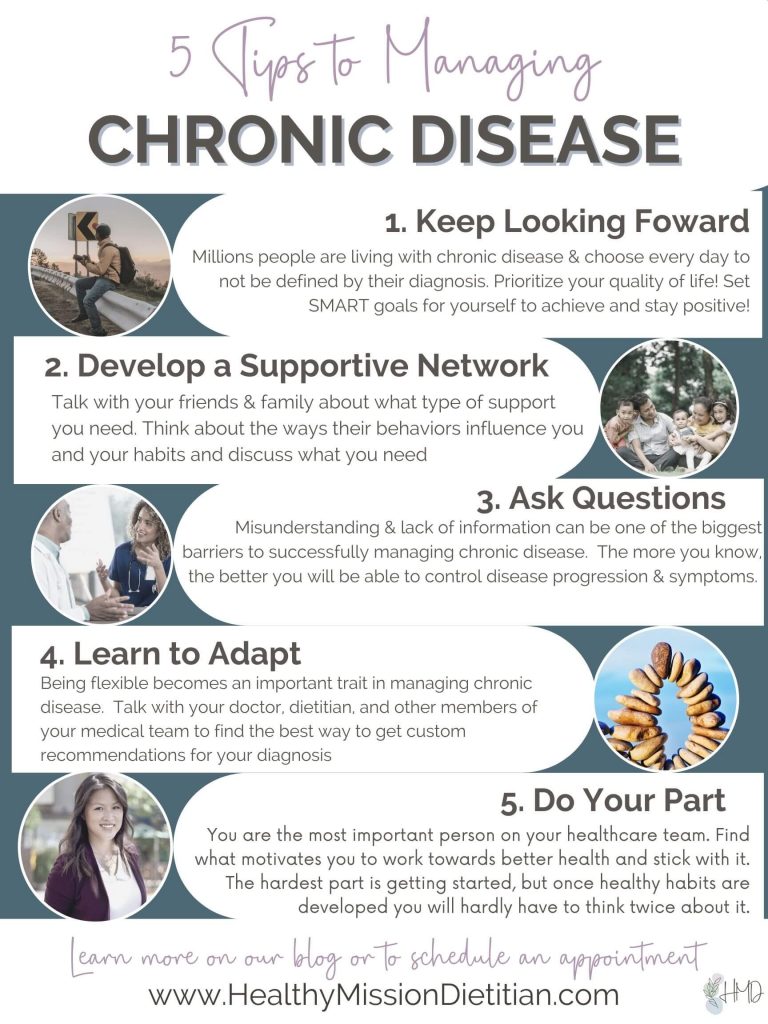
2.1 Adopting Daily Lifestyle Adjustments for Symptom Control
Managing a long-term illness requires shifting focus toward daily choices that compound over time to support overall wellness. Incorporating an evidence-based nutrition intervention serves as a cornerstone for minimizing systemic inflammation and supporting metabolic stability. By working with clinical dietitians to eliminate trigger foods and emphasize nutrient-dense, whole-food patterns, patients often notice a reduction in daily symptom severity and fatigue.
Physical movement must also be carefully calibrated to avoid overexertion while maintaining cardiovascular and musculoskeletal health. Safe, adaptable exercise routines—ranging from gentle water aerobics to supervised resistance training—help preserve functional independence. Pairing these physical habits with restorative sleep hygiene ensures that the body has adequate time for cellular repair and pain regulation.
Finally, chronic stress directly exacerbates inflammatory pathways, making mindfulness practices an essential component of care. Techniques such as structured diaphragmatic breathing, progressive muscle relaxation, and guided meditation help regulate the autonomic nervous system, preventing clinical burnout and emotional fatigue.
2.2 Leveraging Modern Technology and Data for Better Health Outcomes
Data-driven healthcare empowers individuals to take an active role in tracking how lifestyle variables influence their condition. Consistent symptom journaling allows patients to identify subtle flare-up triggers that might otherwise go unnoticed during standard clinical visits. Documenting daily energy levels, pain scores, sleep duration, and dietary intake creates a comprehensive picture for healthcare providers.
Advanced consumer technology has revolutionized how individuals approach personalized health guidance outside the clinic. Wearable devices and specialized health applications provide continuous remote monitoring of vital signs such as heart rate variability, blood glucose levels, and ambulatory movement. Reviewing these trends alongside your medical team facilitates more precise adjustments to ongoing treatment regimens.
Additionally, telehealth platforms have removed traditional barriers to consistent follow-up care. Virtual consultations enable frequent touchpoints with primary care doctors and specialists, ensuring that medication adjustments or lifestyle changes can be monitored closely without the physical strain of frequent travel.
2.3 Navigating Logistical Barriers and Building Resilience
The operational realities of managing an ongoing health condition often involve complex insurance landscapes, prescription refill schedules, and financial considerations. Successfully navigating medical claims and securing coverage for necessary therapeutic interventions is critical for uninterrupted care. Utilizing resources like Health Insurance Navigation Support: A Patient’s Guide can significantly ease administrative burdens.
Beyond logistics, emotional resilience plays a defining role in long-term health outcomes. Engaging with peer support networks, disease-specific advocacy groups, and counseling services helps mitigate feelings of isolation. Sharing practical coping strategies with others facing similar diagnoses fosters a sense of community and shared understanding.
Sustaining long-term motivation despite inevitable setbacks requires reframing success. By focusing on controllable daily habits rather than rigid outcome goals, individuals can maintain their commitment to wellness even during challenging periods of symptom fluctuation.
Successfully navigating the complexities of long-term wellness requires a proactive mindset, a reliable clinical support system, and actionable strategies tailored to your unique biology. By embracing comprehensive chronic condition management advice, you transform unpredictable health challenges into structured, manageable milestones. True progress stems from consistent lifestyle adjustments, mindful symptom tracking, and open collaboration with your healthcare providers to refine your care plan over time.
Remember that building resilience is a gradual journey rather than an overnight destination. Whether you are adjusting nutritional patterns, integrating modern monitoring tools, or establishing emergency protocols, every intentional step safeguards your long-term vitality. To take the next step in your health journey, explore our detailed guide on personalized health guidance to help you maintain momentum and achieve lasting wellness.