

Navigating modern healthcare requires looking past glossy brochures to understand what **patient clinic experiences** actually look like on a day-to-day basis. Across the United States, patients and healthcare administrators alike are paying closer attention to the operational realities that shape medical visits. From the moment a patient books an appointment to the final follow-up, every touchpoint leaves an impression that directly influences clinical outcomes and long-term wellness.
Evaluating this feedback goes far beyond simple star ratings; it requires a deep dive into patient satisfaction ratings to identify systemic strengths and hidden operational bottlenecks. Whether you are a healthcare provider striving to refine your practice or a patient looking to understand what standard of care to expect, examining real-world feedback reveals critical truths about modern medical environments. In this article, you will discover how clinics analyze feedback data, the role of provider communication, and the practical steps facilities take to elevate the overall care journey.

1. Analyzing Patient Clinic Experiences to Enhance Operational Excellence

Modern healthcare management requires a systematic approach to decoding patient clinic experiences, transforming raw feedback into actionable operational strategies. By looking closely at both quantitative data and day-to-day interactions, practice managers can identify the exact friction points that hinder overall patient satisfaction ratings and long-term care retention.
1.1 Deciphering the Multidimensional Nature of Patient Feedback
Effective quality improvement begins by acknowledging that patient feedback is not a monolithic data point. It requires a balanced evaluation of structured numerical indicators alongside narrative commentary.
1.1.1 Quantitative Metrics: Interpreting HCAHPS Scores and Star Ratings
Quantitative benchmarks, such as Consumer Assessment of Healthcare Providers and Systems (HCAHPS) surveys and digital star ratings, offer a standardized lens for evaluating performance. These metrics allow clinic administrators to track macro-level trends over time, compare facility performance against regional standards, and monitor patient satisfaction ratings across distinct departments. However, numbers alone rarely reveal the underlying root cause of a specific operational breakdown.
1.1.2 Qualitative Insights: Understanding Narrative Comments and Sentiment Analysis
While metrics highlight performance, open-ended text comments reveal context. Sentiment analysis of qualitative feedback uncovers the emotional tone behind patient reviews, shedding light on specific frustrations or moments of exceptional care that numbers frequently miss. Combining these written insights with standardized metrics creates a complete picture of the patient journey.
1.2 Pinpointing Operational Friction in the Patient Journey
Operational bottlenecks often emerge long before a patient ever steps into an examination room. Recognizing and mitigating these early points of friction is vital for optimizing facility workflow.
1.2.1 The Front-Desk Effect: Addressing Scheduling and Check-in Challenges
The initial interaction sets the tone for the entire visit. Complex booking systems, cumbersome check-in paperwork, and prolonged clinic wait time analysis regularly reveal that administrative delays are primary drivers of negative feedback. Streamlining intake processes and introducing transparent updates help manage expectations and reduce early patient anxiety.
1.2.2 Provider Communication: Bridging the Gap Between Clinical Care and Empathy
Even when a clinical procedure is technically flawless, poor bedside manner can severely diminish perception of care. High healthcare provider communication scores depend on active listening, clear explanations of treatment plans, and using accessible language. Clinicians who validate patient concerns foster stronger trust and significantly higher retention rates.
1.2.3 Digital Integration: Optimizing Telehealth and Patient Portal User Interfaces
As virtual care and online management platforms expand, digital friction has become a major source of complaint. Ensuring intuitive user experiences across patient portals and remote appointments is essential, as detailed further in insights on telehealth interface usability ratings. Seamless technology adoption directly correlates with improved overall clinic sentiment.
1.3 Establishing a Feedback-Driven Culture for Sustainable Growth
Transforming feedback into sustainable operational excellence requires an internal cultural shift that views criticism as a developmental roadmap rather than a liability.
1.3.1 Moving Beyond Punitive Reviews Toward Quality Improvement
When staff members fear negative reviews, feedback loops tend to break down. Progressive healthcare organizations reframe patient critiques as constructive data, encouraging transparent reporting and root-cause problem-solving without the threat of punitive measures.
1.3.2 Training Staff on Active Listening Through Real-World Feedback
Real-world patient comments serve as powerful training tools. Incorporating anonymized feedback into staff workshops helps both administrative and clinical teams practice active listening and empathetic response strategies during daily encounters.
1.3.3 Rewarding Excellence to Boost Internal Morale and Retention
Recognizing teams and individuals who consistently earn stellar patient feedback reinforces positive behaviors. Celebrating service excellence boosts internal morale, reduces staff burnout, and cultivates a workplace dedicated to exceptional care delivery.
Advanced Strategies for Improving Patient Clinic Experiences and Clinical Outcomes
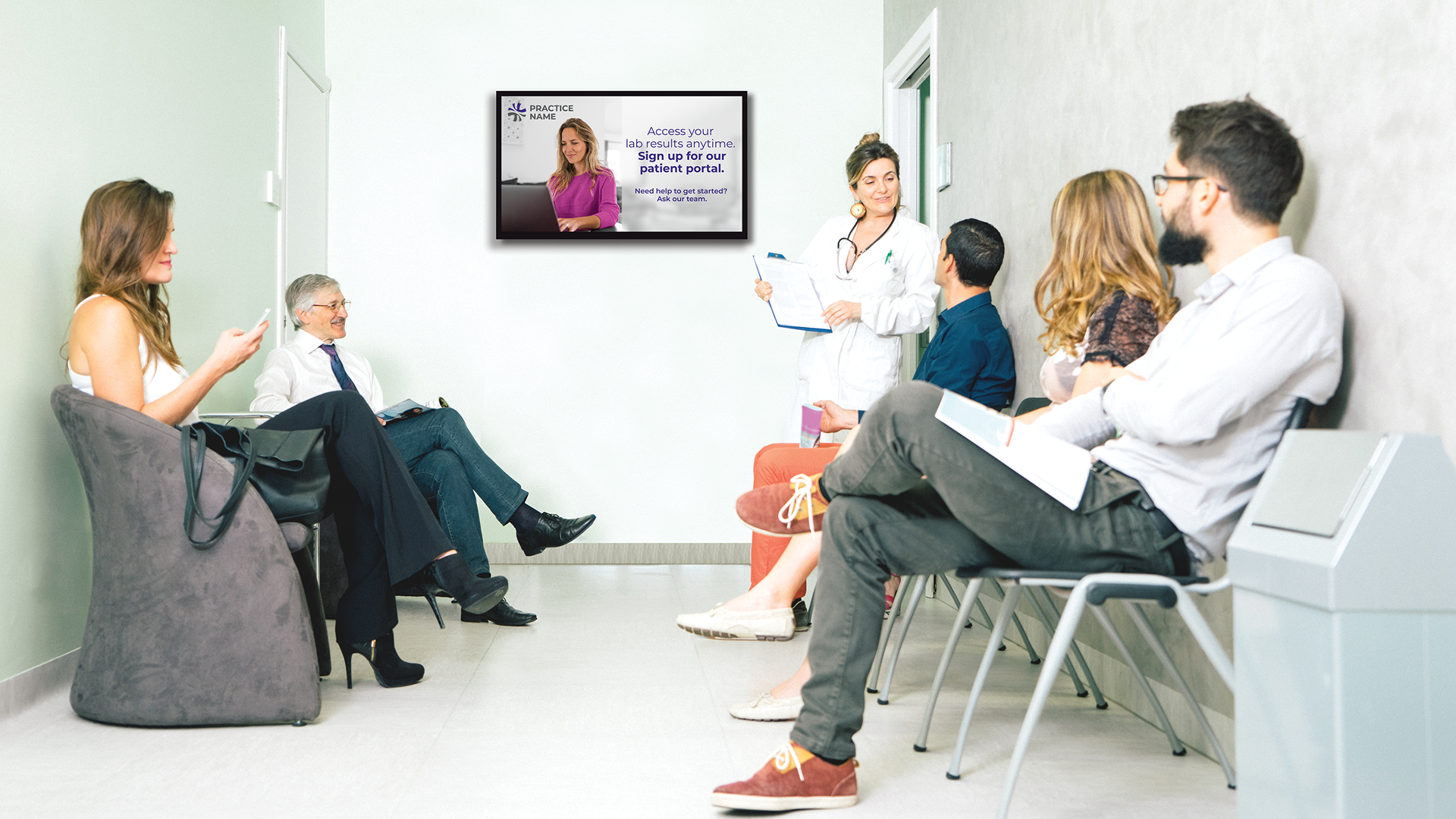
Optimizing modern healthcare requires moving past basic operational adjustments to implement structured, data-informed frameworks. When clinics actively measure and evaluate patient satisfaction ratings, leadership can pinpoint systemic bottlenecks that undermine both care quality and practice efficiency. Elevating the modern medical journey demands a comprehensive approach that bridges administrative workflows with frontline clinical empathy.
2.1 Implementing Systematic Collection and Data Analysis Frameworks
2.1.1 Creating Multichannel Feedback Loops via Digital and In-Person Surveys
Capturing accurate patient sentiment begins with meeting individuals on their preferred communication channels. By combining automated post-visit text messages, secure patient portal questionnaires, and accessible tablet kiosks in the waiting room, clinics can gather diverse perspectives. This multi-pronged strategy ensures that feedback collection is seamless, encouraging higher response rates across all demographic groups.
2.1.2 Root-Cause Problem Solving Using Categorized Data Trends
Raw survey scores offer a snapshot of sentiment, but actionable improvements require deep analytical categorization. Practices must segment incoming feedback by department, provider, time of day, and specific operational touchpoints. Isolating recurring issues—such as prolonged delays highlighted in a comprehensive clinic wait time analysis—allows administrators to deploy targeted interventions rather than relying on generalized guesswork.
2.1.3 Closing the Loop: Communicating Operational Changes to Patients
Feedback collection loses its value if patients feel their voices vanish into a void. Clinics build immense trust and loyalty when they actively inform their community about changes implemented in response to surveys. Whether updating check-in procedures or expanding parking access based on feedback regarding clinic accessibility and facility amenities, demonstrating tangible action encourages ongoing patient engagement.
2.2 Leveraging Modern Technology to Scale Experience Management
2.2.1 Utilizing Natural Language Processing for Unstructured Review Data
While numerical star ratings provide quick metrics, narrative comments contain the emotional nuance of patient clinic experiences. Advanced natural language processing tools scan thousands of open-ended reviews to detect sentiment shifts and recurring complaints that standard surveys might miss, offering an authentic look at patient perceptions.
2.2.2 Benchmarking Practice Performance Against Regional Healthcare Standards
Internal tracking alone cannot define true excellence. Modern healthcare facilities leverage regional and national performance data to evaluate their standing. Comparing internal scores against broader benchmarks helps organizations identify competitive advantages and areas needing urgent strategic refinement.
2.2.3 Aligning Patient Satisfaction Metrics with Value-Based Reimbursement Models
Modern healthcare reimbursement increasingly ties financial viability directly to care quality. By aligning internal satisfaction targets with value-based care frameworks, practices ensure that prioritizing human-centric experiences directly supports long-term organizational growth and economic stability.
2.3 Navigating Regulatory and Reputational Challenges
2.3.1 Managing Negative Online Reviews While Maintaining HIPAA Compliance
Public criticism on review platforms presents a delicate balancing act for practice managers. Responding to dissatisfied patients requires professionalism, empathy, and strict adherence to privacy regulations. Staff must acknowledge feedback without ever confirming protected health information or violating patient confidentiality standards.
2.3.2 Developing Protocols for Sustaining High Patient Response Rates
Survey fatigue remains a primary obstacle in gathering reliable data. To maintain consistent participation, clinics must keep questionnaires concise, time requests appropriately following appointments, and clearly communicate how valuable patient insights are in shaping future clinical standards.
Ultimately, patient clinic experiences are much more than a set of routine numbers on a corporate spreadsheet; they represent the heartbeat of modern healthcare delivery. By deeply examining patient feedback, healthcare organizations can uncover critical operational insights that drive meaningful, lasting improvements. Whether it is refining front-desk workflows, reducing operational friction, or enhancing empathetic provider communication, every piece of data tells a story about how care is experienced on the ground.
Moving toward a truly feedback-driven culture requires shifting away from punitive reviews and instead embracing transparency, accountability, and continuous learning. When clinics actively listen to their communities and transparently close the loop on reported challenges, they build profound, enduring trust. To explore more strategies on elevating care standards and interpreting medical quality metrics, read our comprehensive guide on clinic feedback analysis and patient satisfaction. Prioritizing the voice of the patient remains the single most effective pathway to achieving true clinical excellence.
One Reply to “Patient Clinic Experiences: What Your Feedback Reveals”