
Navigating the world of medical advancements can feel overwhelming, especially when considering clinical research participation guidance to help shape the future of modern medicine. For many patients and their families, volunteering for a clinical trial offers a unique pathway to cutting-edge treatments, close clinical monitoring, and a deeper understanding of their own health conditions. However, stepping into the realm of medical research requires careful evaluation, from understanding study phases and evaluating eligibility criteria to knowing your rights during the informed consent process.
Whether you are exploring options for a chronic condition or simply looking to contribute to scientific breakthroughs, knowing what to expect can ease uncertainties and protect your well-being. To make informed choices, patients often benefit from utilizing structured resources, such as personalized health guidance, to align trial opportunities with their overarching wellness goals. This guide covers the essential steps, safety measures, and daily realities of participating in clinical research across the United States.
1. Comprehensive Clinical Research Participation Guidance: Evaluating Opportunities and Ensuring Safety
Engaging in clinical research is a profound way to contribute to modern medicine while potentially gaining access to innovative therapies. Providing comprehensive clinical research participation guidance ensures that prospective volunteers can navigate complex trial structures safely, transparently, and with full awareness of their rights. Whether you are exploring options independently or utilizing personalized health guidance from a primary care provider, understanding the roadmap of medical studies is essential for making informed decisions about your care.
1.1 Understanding the Fundamentals of Clinical Trials and Study Phases
1.1.1 Defining Clinical Research and Its Vital Role in Advancing U.S. Healthcare
Clinical research involves medical studies undertaken with human volunteers to generate safety and efficacy data for new drugs, devices, diagnostic tools, and behavioral interventions. These investigations are the backbone of modern U.S. healthcare innovation, moving discoveries from laboratory benches to hospital bedsides. Without rigorous trial participation, evidence-based guidelines and breakthrough treatments could not achieve regulatory approval.
1.1.2 Breaking Down the Four Phases of Clinical Trials
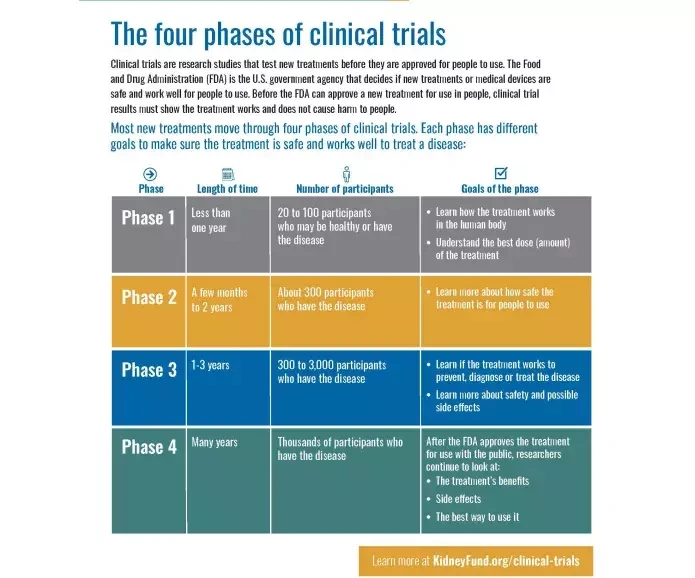
Interventional research typically progresses through four distinct phases. Phase I trials evaluate safety and dosage in a small group of healthy volunteers or patients. Phase II expands the participant pool to assess preliminary efficacy and side effect profiles. Phase III studies involve large cohorts to confirm effectiveness, monitor adverse reactions, and compare outcomes against standard treatments. Finally, Phase IV post-marketing studies track long-term safety and real-world performance after public release.
1.1.3 Evaluating the Differences Between Observational Studies and Interventional Trials
Understanding study types helps clarify what is expected of you. Interventional trials actively administer a specific treatment, drug, or device according to a strict protocol. Conversely, observational studies involve researchers monitoring participants in their normal environments without altering their routine medical care, often utilizing medical record review services to analyze historical health outcomes and disease progression trends.
1.2 Identifying Legitimate Research Opportunities and Assessing Eligibility
1.2.1 Navigating ClinicalTrials.gov and Verified Federal Databases
Finding reputable studies requires relying on trusted registries. ClinicalTrials.gov is a comprehensive database maintained by the U.S. National Institutes of Health, detailing federally and privately supported clinical studies across all 50 states. Searching these verified platforms allows you to review trial locations, funding sources, sponsor credentials, and specific inclusion criteria before reaching out to study coordinators.
1.2.2 Recognizing Red Flags and Avoiding Clinical Trial Scams
Unfortunately, misleading or predatory trial offers exist. Legitimate clinical research never guarantees a cure, nor does it charge participants for the experimental drug or primary medical evaluations. Be wary of unverified advertisements promising miraculous results, requiring steep upfront fees, or operating out of obscure, non-clinical facilities without institutional oversight.
1.2.3 Mastering Inclusion and Exclusion Criteria for Better Matching
Every trial enforces strict parameters based on age, medical history, disease stage, and concomitant medications. These rules protect participant safety and ensure the scientific validity of the data. Working with patient advocacy services can often help individuals interpret these complex matching guidelines and identify trials tailored to their unique health profiles.
1.3 Navigating the Enrollment Process and Informed Consent Rights
1.3.1 Preparing for the Initial Screening and Baseline Health Assessment
The enrollment journey begins with a screening visit, where clinical teams evaluate your baseline health. This stage typically involves comprehensive physical examinations, lab work, imaging, and a thorough review of your medical history. Proper preparation—such as bringing a complete medication list and fasting if requested—helps expedite accurate eligibility verification.
1.3.2 Deciphering the Informed Consent Document: Essential Clauses and Your Rights
Informed consent is an ongoing educational dialogue, not just a signature on a paper. The formal document outlines the study purpose, expected duration, potential risks, known benefits, and alternative therapies. Reviewing this text thoroughly ensures you understand what procedures are required and how your private medical data will be protected under federal privacy regulations.
1.3.3 Exercising the Right to Withdraw Without Penalty
Participation in clinical research is entirely voluntary from start to finish. You maintain the absolute right to withdraw from a study at any time and for any reason without losing your standard medical care, insurance benefits, or physician relationship. Investigators must respect this autonomy immediately upon notification of your intent to exit.
2. Managing Expectations and Daily Realities of Clinical Research Participation

2.1 Day-to-Day Life and Protocol Compliance During a Study
2.1.1 Adhering to Dosing Schedules, Lifestyle Restrictions, and Symptom Tracking
Participating in a clinical trial requires strict adherence to study protocols. Whether you receive an investigational product, a placebo, or a standard-of-care comparator, following precise dosing schedules is vital for trial accuracy and personal safety. Studies often mandate lifestyle modifications—such as dietary restrictions, avoiding certain over-the-counter medications, or refraining from intense physical activity—to prevent variables that could distort trial outcomes. Consistent symptom tracking via physical diaries or electronic portals ensures that researchers receive accurate real-world data regarding how your body reacts to the intervention.
2.1.2 Establishing Effective Communication with Principal Investigators and Coordinators
Open dialogue with your clinical research team forms the backbone of a successful trial experience. Principal investigators and research coordinators are your primary resources for navigating day-to-day uncertainties. Establishing a reliable communication channel allows you to report unexpected physical changes quickly, ask clarifying questions about protocol requirements, and receive personalized health guidance tailored to your unique response throughout the study lifecycle.
2.1.3 Preparing for In-Clinic Follow-Ups and Diagnostic Monitoring
Expect a structured calendar of in-clinic visits, laboratory tests, and diagnostic monitoring sessions. These appointments allow the medical team to evaluate your health status objectively, review your symptom logs, and run necessary blood panels or imaging scans. Keeping a dedicated calendar and arranging reliable transportation helps ensure you never miss critical evaluation windows, which keeps the trial data robust and your safety prioritized.
2.2 Understanding Safety Oversight and Financial Considerations
2.2.1 The Role of Institutional Review Boards in Protecting Participant Welfare
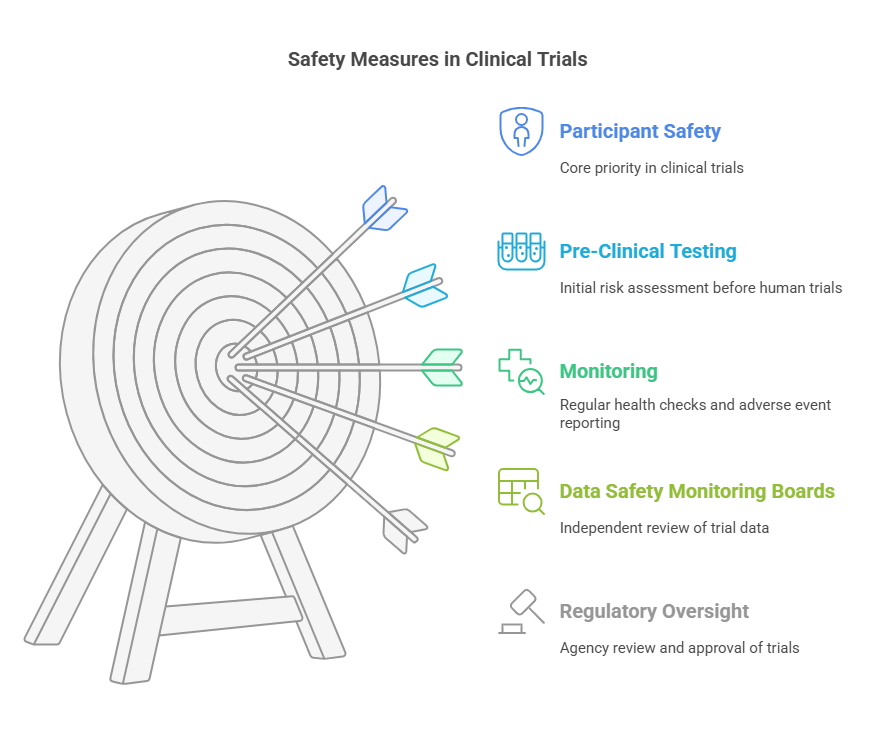
Participant safety is continuously monitored by independent bodies known as Institutional Review Boards (IRBs). These committees review study protocols before and during the trial to ensure that human subjects are treated ethically, risks are minimized, and informed consent is continuously respected. If a trial uncovers unexpected risks, the IRB holds the authority to pause or halt the study immediately.
2.2.2 Reporting Adverse Events and Communicating Side Effects Promptly
Transparency regarding your physical well-being is non-negotiable. Any unexpected symptoms, discomforts, or adverse events must be reported to your study coordinator right away. Prompt communication helps the medical team determine whether a symptom is related to the investigational treatment, decide if a dosage adjustment is necessary, or provide appropriate medical interventions.
2.2.3 Clarifying Costs: Insurance Billing, Sponsor Coverage, and Ethical Compensation Practices
Navigating the financial landscape of clinical trials requires careful review before enrollment. While clinical trial sponsors typically cover the cost of the investigational drug and specialized study-related procedures, standard medical care and routine diagnostics may still be billed to your health insurance. You can learn more about managing medical expenses by reviewing this resource on medical insurance claim optimization advice. Furthermore, ethical compensation for travel and time is common, though it must be structured so it never exerts undue influence on your decision to participate.
2.3 The Post-Trial Journey and Long-Term Implications
2.3.1 Accessing Post-Study Care, Open-Label Extensions, and Compassionate Use Programs
Once a clinical trial concludes, determining your ongoing healthcare path is a primary focus. If an investigational treatment proves beneficial, some manufacturers offer open-label extensions or compassionate use programs to maintain access until the therapy receives wider regulatory approval. When continued access is unavailable, your care team assists in transitioning you back to standard-of-care alternatives.
2.3.2 Receiving and Interpreting Final Study Results and Data Summaries
Participants deserve to know the outcome of the research they contributed to. Reputable clinical trial organizers provide plain-language summaries of the final study results once data analysis is complete. Reviewing these summaries offers valuable insight into how your participation helped advance medical science and shape future therapeutic standards.
2.3.3 Coordinating the Transition Back to Primary Care Physicians
Returning to your regular healthcare provider marks the final step of the clinical trial journey. Ensuring a seamless handoff involves transferring your trial medical records, diagnostic results, and treatment history back to your primary doctor. This continuity ensures your regular physician remains fully informed of any interventions you received, allowing for cohesive long-term wellness management.
Navigating clinical research participation guidance empowers patients to make informed, confident decisions about their healthcare journeys. From understanding study phases and evaluating legitimate federal databases to mastering inclusion criteria and protecting your rights through informed consent, clinical trials represent a cornerstone of modern medical advancement. Engaging in research is not just about contributing to future breakthroughs; it often provides access to cutting-edge treatments and personalized health guidance tailored to your unique medical profile.
As you weigh your options, maintaining open communication with principal investigators, prioritizing safety oversight, and coordinating a seamless transition back to your primary care physician are vital steps. Whether you are exploring interventional trials or weighing long-term outcomes, your role as a participant is invaluable. By staying informed and proactive, you can safely navigate the clinical research landscape and play an active role in shaping the future of medicine.