

When an unexpected health concern arises, deciding whether to wait it out, schedule a primary care visit, or rush to the emergency room can feel overwhelming. Fortunately, the evolution of health technology has introduced digital symptom assessment tools designed to help U.S. patients navigate these exact moments of uncertainty. By leveraging interactive questionnaires and clinically backed logic, these virtual platforms offer immediate direction, helping individuals make informed choices about their health.
Whether you are seeking reliable medical triage guidance in the middle of the night or trying to understand how technology fits into your overall telehealth patient journey, understanding these systems is essential. In this guide, you will learn how virtual triage algorithms work, the benefits and limitations of remote health evaluations, and how to safely use these tools to secure the right level of care.
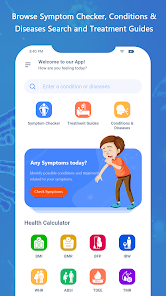
1. Understanding How Digital Symptom Assessment Tools Function and Benefit Patients

Navigating sudden health concerns can often feel overwhelming, but modern health technology has transformed how people seek initial medical direction. Through interactive platforms, individuals can evaluate their well-being from the comfort of home, receiving structured advice before speaking with a healthcare professional.
1.1 The Mechanics of Virtual Triage Algorithms
1.1.1 How Clinically Validated Decision Trees Process Patient Input
At the core of any reliable digital symptom assessment tool is a complex, evidence-based logic model. These platforms do not guess diagnoses; instead, they guide users through a series of branching questions based on clinical protocols. By analyzing specific variables such as symptom duration, intensity, and accompanying physical indicators, the software maps patient responses against established medical guidelines to gauge urgency.
1.1.2 Distinguishing Between Acute Emergency Needs and Routine Primary Care
One of the primary safety functions of virtual triage is sorting conditions by severity. The algorithm is specifically programmed to recognize critical “red flag” indicators—such as chest pain, sudden neurological deficits, or severe shortness of breath—and immediately direct the user to the nearest emergency room. For milder issues, the system recommends booking an appointment for medical triage guidance with a primary care provider or utilizing a standard telehealth visit.
1.1.3 Integrating Pre-Visit Intake Data into Clinical Workflows
When digital assessments link directly to healthcare provider networks, they streamline the entire medical encounter. Patients can share their reported symptoms, recent medical history, and questionnaire summaries directly with the clinic beforehand. This seamless data transfer enriches the telehealth patient journey, allowing physicians to review pertinent details before the consultation even begins.
1.2 Strategic Benefits for U.S. Healthcare Consumers
1.2.1 Reducing Unnecessary Emergency Department Utilization and Wait Times
Emergency departments across the United States frequently face overcrowding due to non-emergent conditions. Digital symptom checkers help alleviate this strain by giving patients clarity on whether their symptoms genuinely warrant emergency care or can be safely managed at an urgent care clinic or scheduled doctor’s visit.
1.2.2 Financial Implications and Navigating Healthcare Cost Transparency
Visiting an emergency room for a non-urgent ailment can result in unexpected financial burdens. By offering accurate guidance on appropriate care settings, these digital platforms help consumers avoid exorbitant out-of-pocket emergency room bills, aligning closely with broader efforts toward healthcare cost transparency.
1.2.3 Maximizing Accessibility Through 24/7 Remote Health Monitoring
Health concerns rarely arise only during standard business hours. Digital assessment tools provide round-the-clock accessibility, offering peace of mind and personalized health guidance to individuals late at night, during weekends, or while traveling.
1.3 Best Practices for Effective Patient Engagement
1.3.1 Preparing Accurate Medical History and Current Medication Lists
To get the most accurate results from a digital assessment, preparation is key. Users should have a clear record of their existing chronic conditions, past surgeries, and a complete, up-to-date list of current prescription medications, over-the-counter drugs, and supplements.
1.3.2 Maintaining Honesty and Precision During Symptom Reporting
The output of any virtual triage tool is entirely dependent on the quality of the input. Patients must provide candid, precise descriptions of their discomfort—avoiding the temptation to understate or exaggerate symptoms—to ensure the algorithm generates safe and appropriate care recommendations.
1.3.3 Interpreting Triage Recommendations for Follow-Up Care
It is vital to view digital assessment results as a navigational aid rather than a definitive medical diagnosis. Users should carefully read the provided follow-up instructions, respect urgency warnings, and reach out to qualified healthcare professionals to discuss their symptoms further and establish a definitive treatment plan.
2. Evaluating Risks and the Future Evolution of Digital Symptom Assessment

2.1 Navigating Safety, Privacy, and Clinical Limitations
2.1.1 Recognizing Algorithm Blind Spots and Potential Diagnostic Discrepancies
While online screening software offers helpful medical triage guidance, these algorithms lack human intuition, physical examination capabilities, and contextual clinical experience. Automated platforms rely strictly on user inputs, meaning missed details or misinterpreted questions can lead to inaccurate risk assessments. Patients must understand that virtual tools provide probability-based insights rather than definitive diagnoses.
2.1.2 HIPAA Compliance Standards for Personal Health Information Protection
Sharing sensitive medical details online requires rigorous data safeguards. U.S. healthcare consumers should verify that any platform they use adheres strictly to Health Insurance Portability and Accountability Act (HIPAA) regulations. Reputable applications encrypt personal health data both in transit and at rest, ensuring that private health history remains confidential and protected from unauthorized commercial exploitation.
2.1.3 When to Override Technology and Seek Immediate Emergency Intervention
Technology should never supersede personal physical intuition or acute warning signs. If a user experiences severe chest pain, sudden neurological deficits, difficulty breathing, or uncontrollable bleeding, they must bypass digital assessment tools entirely and call 911 or visit the nearest emergency department immediately, regardless of what an online algorithm suggests.
2.2 The Future Landscape of AI-Driven Health Triage
2.2.1 Seamless Integration with Electronic Health Records for Continuity of Care
Future iterations of virtual triage will connect directly with secure Electronic Health Records, allowing pre-visit symptom data to flow smoothly into a physician’s clinical workspace. This interoperability enhances the telehealth patient journey by eliminating redundant intake questions and giving doctors a comprehensive, pre-screened history before the virtual consultation even begins.
2.2.2 Addressing Provider Burnout and Clinical Staffing Shortages
By automating routine intake and initial screening procedures, advanced artificial intelligence helps alleviate administrative friction for overwhelmed healthcare systems. Intelligent triage sorts patient inquiries efficiently, ensuring that low-acuity cases are managed appropriately while high-priority patients are fast-tracked to available physicians, supporting better clinical workflow management.
2.2.3 Promoting Health Equity for Underserved Populations via Digital Access
Next-generation health platforms focus heavily on expanding access to personalized health guidance for rural and socioeconomically disadvantaged communities. By offering multi-language support, low-bandwidth compatibility, and mobile-first interfaces, digital tools help bridge healthcare disparities, bringing reliable preliminary medical guidance to populations that historically faced geographic and financial barriers to entry.
Navigating modern healthcare requires tools that bridge the gap between initial uncertainty and professional medical intervention. Throughout this guide, we have explored how effective digital symptom assessment tools empower U.S. consumers to evaluate urgency, streamline pre-visit intake, and secure timely medical attention. By leveraging sophisticated algorithms, these platforms offer valuable medical triage guidance that helps patients determine whether they need an emergency room visit, urgent care, or a routine primary care appointment.
As virtual care continues to evolve, embracing these technologies can significantly enhance your overall healthcare journey. When integrated thoughtfully with electronic health records and professional clinical oversight, online triage tools provide a reliable starting point for receiving personalized health guidance right when you need it most. Remember, technology serves as an initial compass rather than a final diagnosis. To take the next step in managing your well-being, explore our detailed guide on the telehealth patient journey to learn how to seamlessly transition from digital assessments to virtual consultations with licensed medical professionals.