

Navigating a high-volume surgical centers comparison requires a sophisticated understanding of modern healthcare delivery, where patient safety and operational excellence intersect. As outpatient procedures continue to migrate away from traditional hospital settings, evaluating ambulatory surgery centers demands looking beyond basic marketing claims to examine rigorous outpatient surgical facility standards. Patients, healthcare administrators, and referring physicians increasingly rely on objective performance benchmarks to determine which facilities deliver consistently superior results.
This guide explores the critical quality metrics used to evaluate and compare top-tier surgical providers. You will learn how to analyze clinical treatment outcomes, interpret federally reported regulatory data, and assess the vital role of medical technology integration status in ensuring optimal patient safety. By understanding these core operational pillars, stakeholders can make informed, evidence-based decisions when selecting high-performing surgical environments.
1. High-Volume Surgical Centers Comparison: Navigating Quality Metrics and Facility Performance
1.1 Understanding the Shift Toward Specialized Outpatient Care
1.1.1 Defining High-Volume Ambulatory Surgical Centers and Their Clinical Advantages
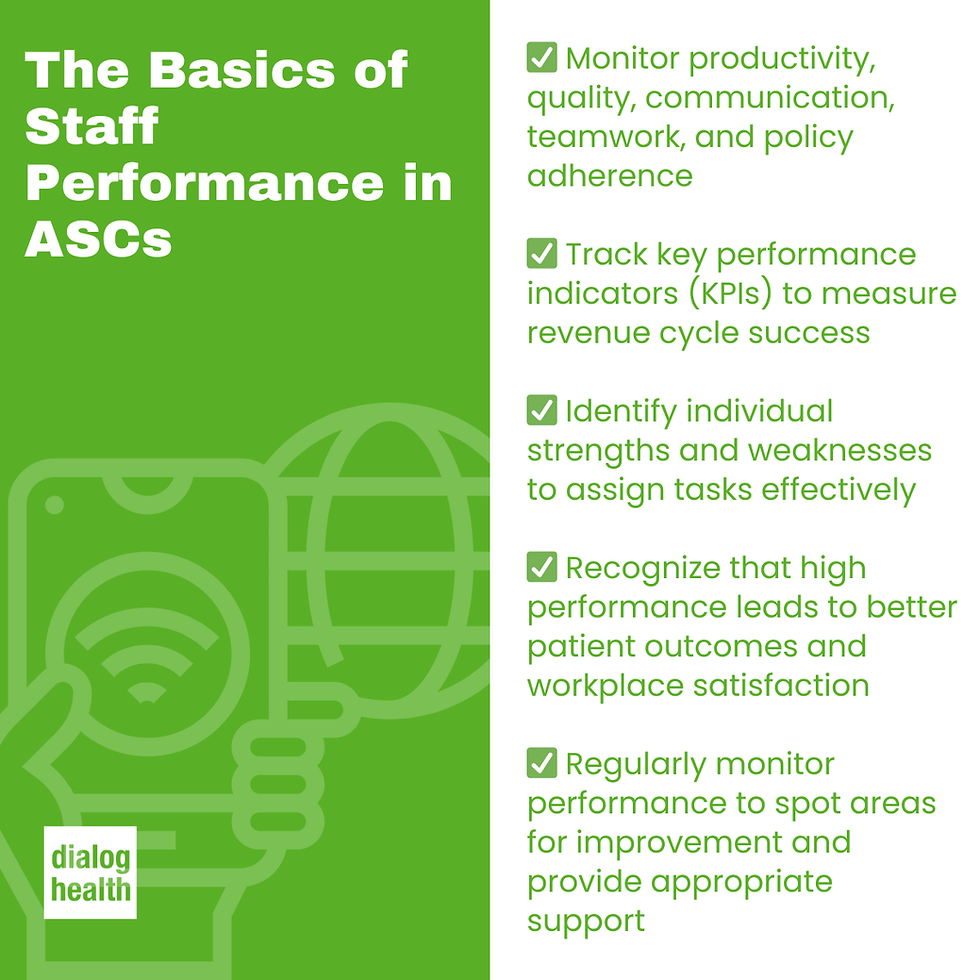
The landscape of modern healthcare has shifted dramatically toward specialized outpatient environments. Ambulatory surgical centers (ASCs) that maintain high operational volumes often cultivate refined procedural workflows, minimizing patient exposure to hospital-acquired pathogens. These specialized centers typically focus on specific clinical lines, such as orthopedic, ophthalmic, or gastroenterological procedures, which allows surgical teams to build exceptional muscle memory and technical precision.
1.1.2 Assessing the Correlation Between Surgical Volume and Patient Outcomes
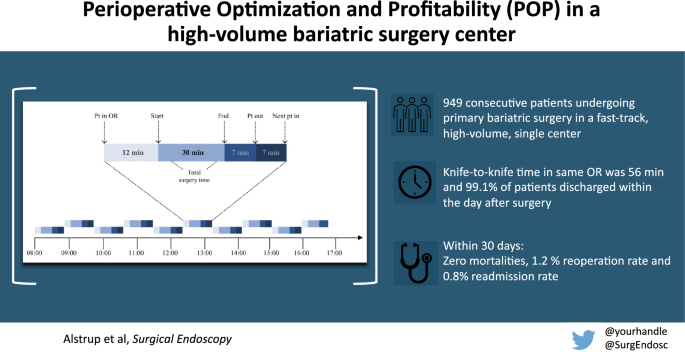
A comprehensive high-volume surgical centers comparison consistently reveals a direct relationship between the number of procedures performed and overall patient safety. Facilities managing high patient throughput benefit from multidisciplinary team synergy, leading to reduced operative times, lower complication rates, and more predictable recovery trajectories for complex outpatient interventions.
1.2 Standardizing Quality Assessment Frameworks
1.2.1 Core Clinical Outcome Metrics for Risk Mitigation
Evaluating facility performance requires looking beyond basic patient satisfaction scores to examine hard clinical data. Essential indicators include unplanned hospital readmissions, emergency department transfers within forty-eight hours of surgery, and surgical site infection rates. Tracking these specific clinical treatment outcomes helps healthcare administrators identify operational vulnerabilities and implement targeted safety protocols.
1.2.2 The Role of Process Efficiency in Enhancing Patient Safety
Process efficiency directly impacts clinical efficacy in high-volume settings. Streamlined patient intake, meticulous pre-operative checklists, and standardized anesthesia protocols reduce variability during critical phases of care. When operating rooms run on synchronized schedules, surgical teams experience less fatigue, which subsequently supports rigorous adherence to safety standards.
1.3 Navigating Regulatory Data Transparency Programs
1.3.1 Utilizing the ASCQR Program for Objective Facility Evaluation
The Ambulatory Surgical Center Quality Reporting (ASCQR) program serves as a vital tool for patients and healthcare advocates seeking objective performance data. Established by the Centers for Medicare & Medicaid Services, this initiative mandates the public reporting of quality metrics, allowing stakeholders to evaluate compliance with recommended care processes.
1.3.2 Interpreting Medicare Care Compare Data and Publicly Reported Outcomes
Platforms like Medicare Care Compare aggregate complex performance indicators into user-friendly summaries. Reviewing these portals allows patients to analyze specific outpatient facility standards across regional providers, offering clear visibility into patient safety indicators and preventive care practices.
1.3.3 Limitations of Public Datasets and Necessary Contextual Inquiries
While public reporting databases offer valuable baseline insights, they rarely capture the full clinical context of individual patient risk profiles. For a deeper understanding of how top-tier facilities maintain their edge, stakeholders should explore comprehensive resources such as this guide on clinical service evaluation to ask facility administrators targeted questions about their internal peer review processes and risk-adjusted outcomes.
2. Strategic Framework for Evaluating and Selecting High-Volume Surgical Centers
2.1 Operational and Financial Indicators of Excellence
2.1.1 Evaluating Staff Experience Levels and Surgical Team Ratios
When conducting a thorough high-volume surgical centers comparison, looking at staff tenure and clinical ratios reveals the true backbone of a facility. High-volume outpatient surgical facility standards require experienced multidisciplinary teams, including specialized registered nurses and board-certified anesthesiologists, who maintain low patient-to-nurse ratios. Consistent collaboration among these professionals directly correlates with fewer operational errors and smoother patient handoffs during critical care transitions.
2.1.2 Assessing Technology Adoption and Advanced Minimally Invasive Capabilities
A facility’s dedication to modern medicine is heavily reflected in its medical technology integration status. Top-tier centers continuously upgrade their surgical suites with high-definition imaging, robotic-assisted platforms, and specialized energy devices. Evaluating how seamlessly a center incorporates these innovations provides profound insight into their clinical capabilities and commitment to reducing recovery times.
2.1.3 Analyzing Operational Efficiency Through OR Turnover and Schedule Adherence
Operational fluidity serves as an indirect measure of safety and competence within a medical practice. Efficient operating room turnover times combined with strict schedule adherence minimize patient fasting windows and reduce the fatigue of surgical teams. Well-managed workflow optimization prevents procedural bottlenecks, ensuring that every case receives the precise concentration of resources it requires.
2.2 Patient-Centric Metrics and Satisfaction Benchmarks
2.2.1 Decoding ASC CAHPS Scores and Meaningful Patient Feedback
Navigating patient perception requires looking beyond superficial reviews to examine official Ambulatory Surgery Center Consumer Assessment of Healthcare Providers and Systems survey data. These standardized scores measure critical aspects of care, such as facility cleanliness, staff communication, and pain control management. Reviewing these metrics helps stakeholders evaluate how well a center prioritizes human-centric care alongside clinical efficiency.
2.2.2 Analyzing Post-Discharge Communication and Pain Management Efficacy
The quality of care does not end when a patient walks out the door. Effective post-operative communication protocols, such as timely follow-up calls and clear guidance on medication side effects, are vital for preventing unnecessary emergency room visits. Facilities that excel in this area typically demonstrate superior adherence to structured post-treatment care transition support protocols, keeping patients safe and informed during recovery.
2.3 Practical Decision-Making Checklist for Stakeholders
2.3.1 Key Questions for Facility Administrators Regarding Complication Logs
When vetting potential surgical providers, stakeholders must engage administrators with targeted questions regarding risk mitigation and unexpected event tracking. Inquiring about unplanned hospital transfer rates, infection logs, and peer review practices offers an objective lens through which to measure true clinical competence and institutional accountability.
2.3.2 Balancing Cost Efficiency With Documented Clinical Success
While financial considerations are important, they should never overshadow patient safety. A comprehensive evaluation weighs out-of-pocket costs against documented clinical treatment outcomes, ensuring that cost-saving measures do not compromise staffing ratios, sterilization protocols, or emergency response readiness.
2.3.3 Establishing a Comparative Scoring System for Local Surgical Facilities
Synthesizing all gathered data into a standardized scoring matrix allows healthcare consumers and referring providers to make objective choices. By weighing variables like accreditation status, technological advancement, and patient satisfaction equally, stakeholders can identify the ideal facility that aligns with their specific clinical needs and expectations.
Navigating the landscape of modern medicine requires moving past simple hospital brand recognition and diving deep into measurable indicators of safety, efficiency, and clinical competence. When performing a comprehensive high-volume surgical centers comparison, patients, healthcare administrators, and referring physicians must look closely at how facilities handle everything from daily operating room turnover to long-term patient recovery milestones. By prioritizing objective data—such as validated complication logs, rigorous outpatient surgical facility standards, and transparent patient satisfaction scores—stakeholders can make informed decisions that directly safeguard health and wellness.
Ultimately, choosing the right surgical facility is about balancing technical prowess with compassionate, patient-centered execution. Whether you are a healthcare professional evaluating regional partners or an individual preparing for a planned procedure, keeping a structured checklist of quality metrics ensures that safety and excellence remain at the forefront. As ambulatory care continues to expand its capabilities across the United States, utilizing standardized evaluation frameworks will remain your most reliable tool for achieving optimal clinical outcomes.
One Reply to “High-Volume Surgical Centers Comparison: Key Quality Metrics”