
When considering medical procedures across international borders, understanding international medical tourism quality standards is essential for ensuring your personal safety and health outcomes. Every year, thousands of U.S. patients look abroad for specialized treatments, motivated by cost savings, reduced wait times, and advanced care options. However, navigating foreign healthcare landscapes requires a meticulous approach to vetting global hospitals and clinics.
Without the familiar safety net of domestic regulatory bodies like the FDA or The Joint Commission, patients must actively evaluate accredited healthcare facilities to separate world-class institutions from substandard providers. In this guide, you will learn how to decode global hospital accreditations, examine critical clinical indicators, and implement strategic risk management practices. Arming yourself with these evidence-based vetting protocols ensures you can confidently pursue cross-border healthcare while prioritizing your long-term well-being.
1. Understanding International Medical Tourism Quality Standards and Regulatory Frameworks

1.1. Defining Global Quality Standards and the Importance of Due Diligence
Navigating the landscape of international medical tourism requires a careful evaluation of institutional capabilities and patient safety protocols. When patients consider traveling abroad for healthcare, conducting thorough due diligence is vital to ensure that safety benchmarks match or exceed domestic expectations. This begins with an understanding of international medical tourism quality standards, which serve as a foundational baseline for measuring clinical excellence and organizational reliability across borders.
1.1.1. Assessing Clinical Governance and Infrastructure Differences
Clinical governance dictates how a healthcare institution monitors its own performance, manages risks, and continuously improves patient care. Facilities that excel internationally maintain transparent administrative structures, mandatory peer-review systems, and rigorous credentialing processes for all clinical staff. Assessing these factors helps patients distinguish between commercially driven medical centers and truly world-class, patient-centric environments.
1.1.2. The Contrast Between U.S. Regulatory Oversight and Foreign Medical Boards
In the United States, patient safety is heavily enforced by federal and state regulations, alongside mandatory participation in oversight bodies like the Centers for Medicare & Medicaid Services. Abroad, regulatory frameworks vary wildly. While some nations enforce stringent national health ministry guidelines, others rely on decentralized medical boards. Recognizing these regulatory differences helps medical travelers identify accredited healthcare facilities that bridge gaps in local oversight through independent international certifications.
1.2. Identifying Trusted Global Healthcare Accreditation Bodies
Independent accreditation provides an objective yardstick for measuring hospital safety, operational integrity, and care quality. Because foreign medical licenses alone do not guarantee uniform standards, global accreditation bodies act as trusted third-party validators for international facilities.
1.2.1. The Role of Joint Commission International as the Gold Standard
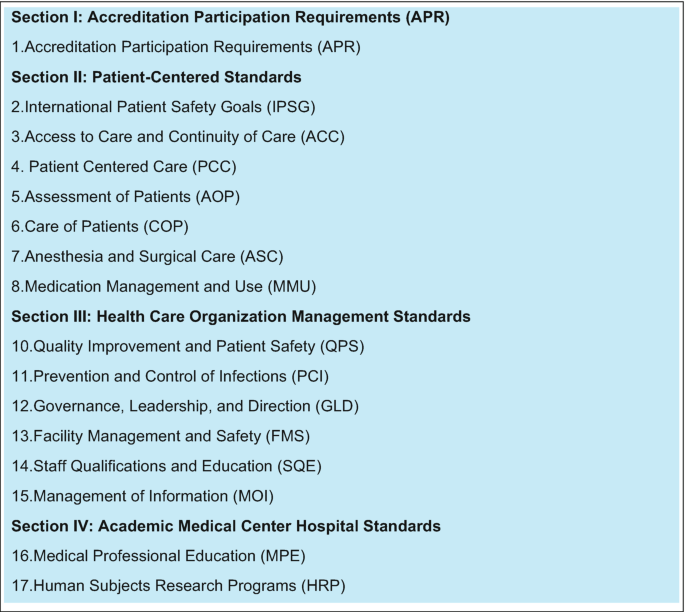
Joint Commission International (JCI) stands out as the most recognized independent evaluator of global hospitals. JCI standards focus heavily on patient safety goals, surgical safety checklists, medication management, and facility-wide infection control. Earning and maintaining JCI accreditation requires hospitals to undergo rigorous, unannounced on-site evaluations every few years.
1.2.2. Specialized Accreditation for the Patient Experience via Global Healthcare Accreditation
Beyond clinical care, the overall patient journey involves complex logistical, cultural, and communication hurdles. Global Healthcare Accreditation (GHA) fills this gap by evaluating the entire medical travel continuum. GHA standards focus on transparency, digital health security, travel coordination, and post-procedure support, ensuring patients are supported from the moment they leave home until they complete their recovery.
1.2.3. Evaluating Local Government Certifications in Major Hubs like Mexico, Thailand, and Turkey
Prominent medical tourism destinations often feature national healthcare accreditation programs alongside international seals. For instance, Thailand operates hospital accreditation programs aligned with international standards, while Mexico relies on the General Council of Health Standards. Reviewing these local credentials alongside global seals offers a well-rounded view of a facility’s legal compliance and operational maturity.
1.3. Critical Indicators of Facility Quality and Patient Safety
Pinpointing a high-performing hospital goes beyond reading promotional brochures. Intelligent medical travel planning involves examining granular operational data and clinical metrics that directly correlate with positive health outcomes.
1.3.1. Benchmarking Infection Control Protocols and Mortality Rates
Surgical site infections and post-operative complications are among the greatest risks in any medical setting. Top-tier international hospitals openly track and report healthcare-associated infection rates, surgical complication frequencies, and institutional mortality rates. Reviewing these figures provides vital insight into clinical treatment outcomes before booking any procedure abroad.
1.3.2. Verifying Physician Training, Board Certification, and International Affiliations
A hospital is only as good as the clinicians practicing within its walls. Patients must verify that their treating physicians hold active board certifications from recognized medical councils, maintain fellowships in respected international societies, and regularly participate in continuing medical education. Many leading global specialists have completed residencies or fellowships at prestigious teaching hospitals in the United States or Western Europe.
1.3.3. Ensuring Equipment Modernization and Pharmaceutical Supply Chain Integrity
Advanced therapeutics and precision diagnostics require cutting-edge hardware and uncompromised supply chains. Evaluating the medical technology integration status of a prospective facility ensures that patients have access to modern imaging, robotic assistance, and electronic health records. Furthermore, verifying that clinics source pharmaceuticals exclusively from reputable global manufacturers protects patients from the rising global risk of counterfeit medications.
2. Strategic Risk Management and Vetting for Medical Travelers
2.1. Navigating Legal Realities and Financial Protection Abroad
When you step outside U.S. borders for healthcare, you step outside the protective jurisdiction of domestic medical malpractice laws. Understanding these jurisdictional challenges is vital for international medical tourism quality standards compliance. If a clinical error occurs, seeking legal recourse in a foreign court can be complex, expensive, and culturally daunting.
To guard against unexpected financial burdens, patients must look beyond initial procedure estimates and consider the risk of revision surgeries. Out-of-pocket costs can skyrocket if a complication requires emergency intervention or extended hospitalization. Securing comprehensive medical travel insurance that specifically covers complication-related expenses and emergency medical evacuation is a non-negotiable step for mitigating these vulnerabilities.
2.2. Establishing a Comprehensive Plan for Continuity of Care
Your healthcare journey does not end when you leave the foreign hospital. Establishing a structured continuity of care plan protects your recovery timeline. Before booking travel, schedule a pre-trip consultation with your U.S. primary care provider to discuss your itinerary, evaluate your fitness for travel, and align on post-operative expectations.
Flawless documentation is the backbone of safe transitions. Ensure you obtain authenticated copies of all operative reports, discharge summaries, and imaging studies before departing the destination country. When you return home, sharing these complete medical records ensures your local care team can effectively manage your post-operative healing and provide seamless, ongoing monitoring.
2.3. Step-by-Step Verification Protocols for International Medical Providers
Verifying the credibility of your international care team requires active due diligence rather than passive trust. Begin by conducting independent audits of global accreditation databases to confirm that the facility holds active certifications from recognized bodies. Evaluating accredited healthcare facilities helps guarantee that safety measures are actively maintained and regularly audited.
Beyond hospital walls, look closely at your communication channels and the credibility of your patient coordinator. Transparent coordinators provide direct access to treating physicians rather than acting as opaque sales agents. Finally, evaluate how the clinic addresses language barriers and cultural competency. Clear, unambiguous communication between you and your surgical team is essential for ensuring informed consent and long-term treatment success.
Navigating the world of international medical tourism requires a balanced approach of optimism and rigorous due diligence. Because healthcare systems vary drastically across borders, looking beyond flashy promotional materials is essential to safeguarding your health. Prioritizing internationally recognized standards ensures that your safety remains paramount throughout the entire medical journey.
Ultimately, a successful medical trip relies heavily on careful planning, transparent communication with your providers, and secure continuity of care once you return home. By thoroughly vetting accredited healthcare facilities, confirming the credentials of your medical team, and preparing for any post-operative contingencies, you can drastically minimize health risks. For more detailed insights on evaluating medical excellence and facility transparency, explore our guide on healthcare quality benchmarks to make informed, confident decisions about your global healthcare path.