
The popularity of plant-based protein alternatives continues to rise rapidly.
From vegan chicken nuggets and sausage patties to plant-based jerky, grocery stores are quickly stocking a variety of meat-free options.
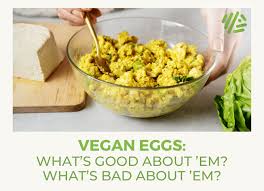
Now, eggs have entered the plant-based market.
When I was first invited to sample plant-based eggs, I was hesitant. Like many non-vegans, I doubted that these substitutes could match the light, fluffy texture of traditional eggs.
Eggs have many recognized health benefits, and as a nutritionist, I understand their role in a balanced diet.
So, why replace them with a combination of mung beans, soy, and other ingredients?
Still, as I heard more positive feedback from other food enthusiasts about vegan scrambles and omelets, my curiosity grew.
Eventually, a box of plant-based eggs arrived at my door, and I began experimenting.
Here’s what I discovered about how these egg alternatives perform in cooking and baking, along with their nutritional advantages and drawbacks.
What Are Plant-Based Eggs Made Of?
Though they may seem new, egg alternatives have been around for some time.
Earlier versions were primarily used as binding agents in baking, often made from flax or chia seeds.
You can even make your own by mixing 1 tablespoon of flaxseed meal with 2½ tablespoons of water, letting it sit for 5 minutes, then adding it to recipes.
More recently, products designed to be eaten like eggs have hit the shelves, with more brands launching since 2021.
For example, Follow Your Heart’s VeganEgg uses soy milk powder that you mix with water.
Ingredients like cellulose and carrageenan help create a fluffy texture, while nutritional yeast, salt, and herbs provide that familiar egg flavor.
For my test kitchen, I tried JustEgg, a liquid egg replacement made from mung bean protein, canola oil, and spices crafted to mimic real eggs.
Nutritional and Ethical Benefits
If you’re considering plant-based eggs, you’re likely thinking about nutrition and ethics.
These products do offer some benefits.
Since they contain no animal products, vegan eggs have zero cholesterol, which can be beneficial for heart health given recommendations to limit cholesterol intake.
However, dietary cholesterol from eggs is no longer seen as a major health threat.
“Current research shows that eating eggs doesn’t significantly impact blood cholesterol levels, and one egg a day isn’t linked to heart disease in healthy people,” explains Bonnie Taub-Dix, RDN, author of Read It Before You Eat It.
She emphasizes moderation with all foods.
Environmentally, plant-based eggs have a smaller carbon footprint since egg-laying hens produce greenhouse gases, even if free-range.
Choosing plant-based alternatives also avoids concerns related to animal welfare.
Limitations of Plant-Based Eggs
Being plant-based doesn’t automatically make these eggs healthier than chicken eggs.
For instance, they usually contain less protein.
A large chicken egg has about 6 grams of protein, while JustEgg provides 5 grams and VeganEgg only 3 grams per serving.
Sodium is another difference.
JustEgg has 170 mg per serving, VeganEgg 150 mg, compared to just 65 mg in a chicken egg.
Plant-based eggs are also more processed.
Diets high in ultra-processed foods are linked to health risks like obesity and cancer. Their longer ingredient lists can be off-putting compared to the simple “egg” label.
Still, unfamiliar ingredients aren’t necessarily unsafe.
“Some ingredients like transglutaminase are approved by the FDA and considered safe,” says Taub-Dix.
Nutrition Comparison: Chicken Eggs vs. Plant-Based Eggs
| Nutrient | Chicken Egg (1 large) | JustEgg (1 serving) | VeganEgg (1 serving) |
|---|---|---|---|
| Calories | 74 | 70 | 35 |
| Total Fat | 4 g | 5 g | 1 g |
| Saturated Fat | 1.5 g | 0 g | 0 g |
| Cholesterol | 207 mg | 0 mg | 0 mg |
| Sodium | 65 mg | 170 mg | 150 mg |
| Carbohydrates | 0 g | 1 g | 5 g |
| Fiber | 0 g | 0 g | 1 g |
| Sugars | 0 g | 0 g | 1 g |
| Protein | 6 g | 5 g | 3 g |
How Do They Taste?
Aside from nutrition, the main question is: do plant-based eggs taste good?
I tested them in three recipes: quiche, muffins, and scrambled eggs.
Quiche
Using JustEgg, cheese, salt, and pepper, I baked a vegan quiche.
It looked identical to a traditional quiche when done, with a firm texture and crispy top.
The flavor was very close to real eggs — slightly more savory — but I never suspected beans were involved.
Scrambled Eggs
Next, I scrambled JustEgg in a pan.
The mixture resembled beaten eggs and clumped similarly.
It was stickier and didn’t brown, making it harder to tell when it was cooked.
The flavor wasn’t perfect and left a lingering aftertaste despite no added salt.
Muffins
I swapped eggs for JustEgg in a banana muffin recipe.
There was no noticeable difference in taste or texture.
Baking seems to be the best use for plant-based eggs.
Final Thoughts: Should You Try Plant-Based Eggs?
Both real and plant-based eggs offer benefits and drawbacks.
As a non-vegan, I’m not ready to fully replace chicken eggs yet.
However, if your goals include lowering cholesterol, reducing animal protein intake, or minimizing environmental impact, plant-based eggs can be a worthwhile option.