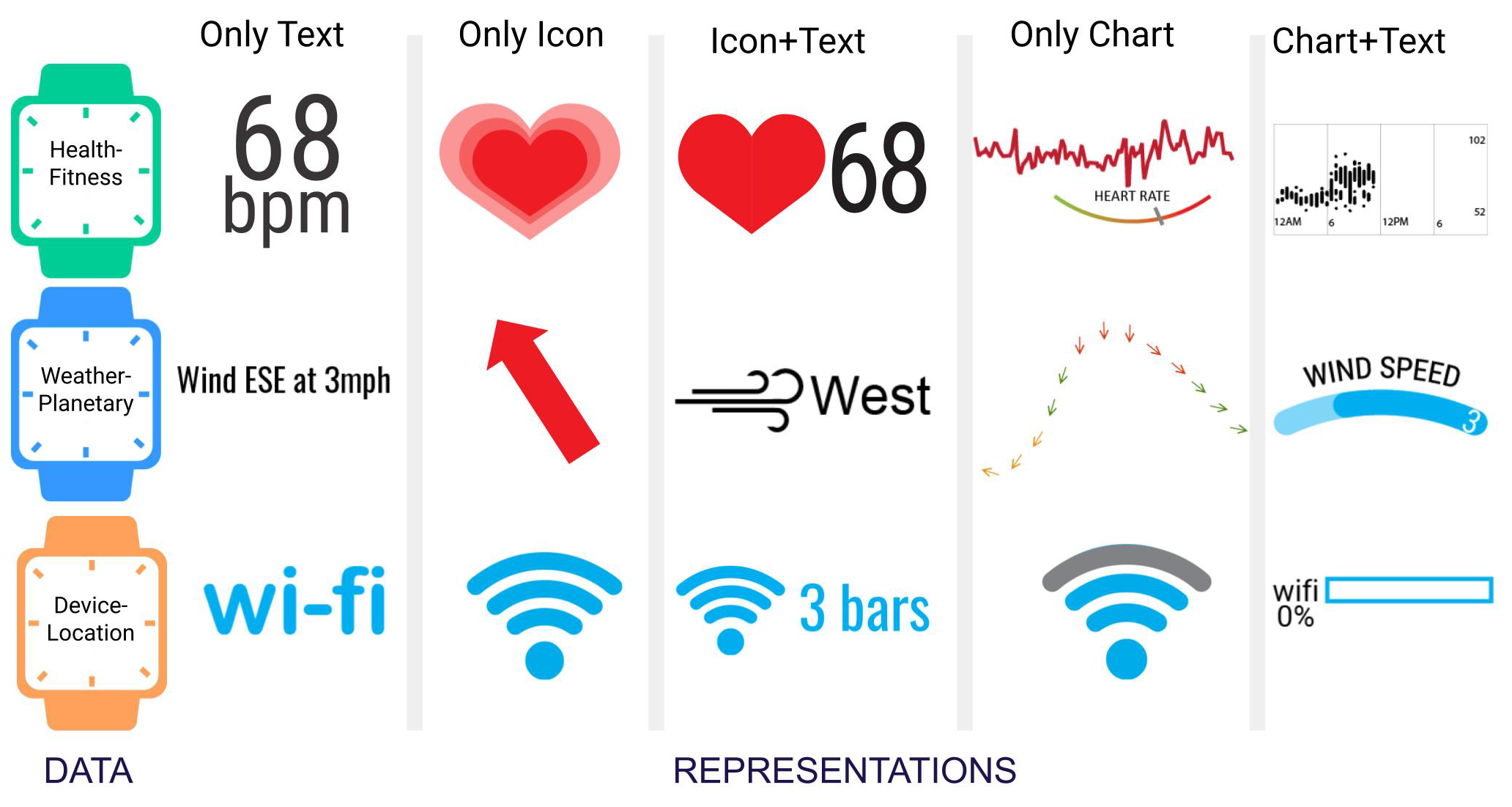

Wearable technology has rapidly evolved from simple step-counters into sophisticated physiological monitoring tools capable of tracking continuous biometric streams. However, collecting thousands of data points daily is only the first step. Mastering preventative health wearable data analysis empowers individuals to transform raw biometric metrics into meaningful, personalized health guidance that supports long-term wellness.
Instead of reacting to acute symptoms, modern self-tracking allows users to establish personal physiological baselines and spot subtle shifts over time. In this comprehensive guide, you will learn how to evaluate data integrity, decode complex trends like heart rate variability and sleep architecture, manage digital information overload, and safely bridge the gap between consumer self-monitoring and professional clinical care.
1. Foundational Strategies for Preventative Health Wearable Data Analysis
1.1 Understanding Biometric Metrics and Data Integrity
1.1.1 Distinguishing between medical-grade clinical tools and consumer wearable sensors
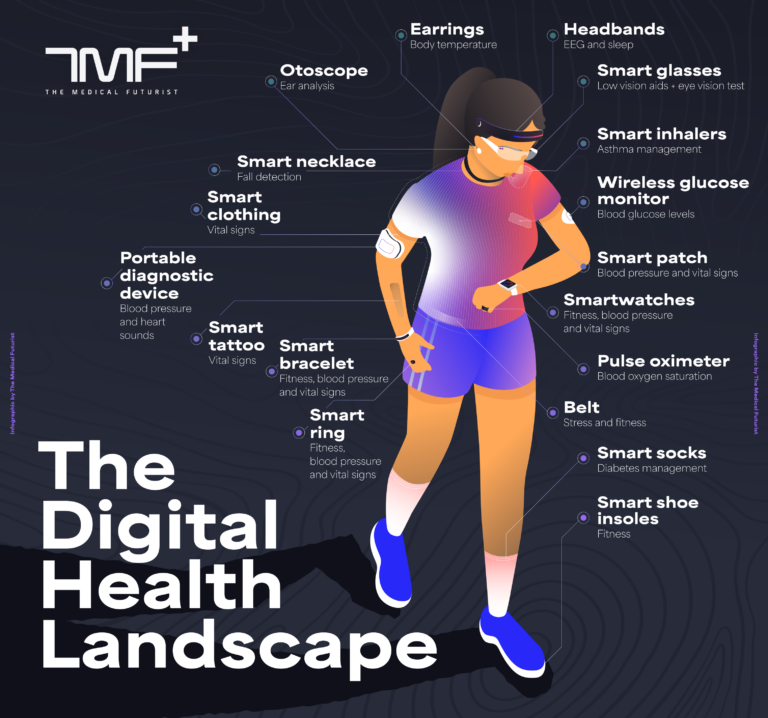
Consumer fitness trackers and smartwatches offer unprecedented access to daily biometric data, yet it is vital to recognize the operational boundaries separating these consumer devices from clinical-grade diagnostic tools. While an electrocardiogram (ECG) smartwatch can flag potential atrial fibrillation, it does not replace a multi-lead clinical ECG evaluated by a cardiologist. Consumer sensors are engineered primarily for continuous wellness monitoring and trend observation rather than definitive diagnostic pathology. Understanding this distinction ensures that raw metrics are interpreted as directional lifestyle indicators rather than absolute medical rulings.
1.1.2 Evaluating the impact of sensor placement and motion artifacts on data accuracy
Data integrity depends heavily on physical placement and device contact. Photoplethysmography (PPG) sensors, which utilize light to measure blood flow volume in the wrist or finger, are highly susceptible to motion artifacts. When a device shifts during intense physical activity or sleep, ambient light leakage and friction can distort photoplethysmographic readings, leading to erroneous heart rate and oxygen saturation spikes. Securing a snug, stable fit two finger-widths above the wrist bone significantly minimizes movement interference and preserves the reliability of incoming metrics.
1.1.3 Establishing a personal baseline to account for individual physiological variance
Universal health benchmarks provided by device manufacturers often fail to reflect individual physiology. Age, baseline fitness, genetics, and daily habits create wide physiological variations from person to person. Effective
preventative health wearable data analysis
requires tracking metrics over a dedicated calibration window—typically 14 to 30 days—to establish a true personal baseline. Recognizing your unique physiological norms allows you to spot genuine anomalies rather than reacting to population-level averages that do not apply to your body.
1.2 Analytical Frameworks for Interpreting Biometric Trends
1.2.1 Applying longitudinal analysis to identify health deviations over months rather than days
Daily biometric fluctuations are entirely normal and can be triggered by minor events like a late meal or a stressful workday. True
biometric health data interpretation
requires stepping back to evaluate longitudinal trends across weeks and months. By tracking rolling averages of resting heart rate and respiratory rate, you can filter out daily noise and identify slow, systemic shifts that may warrant a closer look or a
health screening consultation
with a qualified physician.
1.2.2 Correlating cardiovascular metrics like heart rate variability with external lifestyle stressors
Heart rate variability (HRV)—the variance in time between each consecutive heartbeat—serves as a primary window into autonomic nervous system balance. When paired with external lifestyle logs detailing sleep quality, alcohol intake, and psychological stress, HRV trends reveal how efficiently your body adapts to environmental strain. Analyzing these correlations helps you adjust physical exertion and recovery periods before chronic fatigue or burnout sets in.
1.2.3 Utilizing sleep architecture data to assess systemic recovery and metabolic health
Consumer wearables estimate sleep stages—including light, deep, and rapid eye movement (REM) sleep—by analyzing movement and heart rate patterns overnight. While exact stage durations may lack laboratory-grade precision, longitudinal tracking of sleep architecture provides valuable insights into systemic recovery and metabolic health. Consistent drops in deep sleep duration often correlate with elevated cortisol levels, poor glucose regulation, and an increased risk profile for lifestyle-related conditions.
1.3 Managing Cognitive Load and Data Quality
1.3.1 Filtering actionable health insights from daily digital noise
The sheer volume of notifications generated by modern health apps can easily overwhelm the user. To practice sustainable preventative tracking, you must filter out digital noise and focus on a few high-value metrics, such as resting heart rate trends and sustained sleep quality. Concentrating on core indicators prevents analysis paralysis and turns raw data streams into genuinely useful insights.
1.3.2 Mitigating health anxiety and orthosomnia caused by excessive data monitoring
Hyper-focusing on daily scores can backfire, occasionally triggering health anxiety or orthosomnia—a clinical sleep disorder driven by an obsessive fixation on achieving perfect sleep metrics. It is crucial to remember that wearables are supportive tools, not infallible judges of your well-being. If checking your morning score causes acute stress, take a scheduled break from the device to restore a healthy psychological balance.
1.3.3 Best practices for maintaining data privacy and secure third-party integration
Syncing health wearables with third-party applications expands analytical capabilities, but it also shares sensitive physiological data across cloud networks. Protect your digital privacy by reviewing app permission settings, opting out of data-sharing agreements designed for third-party marketing, and ensuring your device accounts utilize multi-factor authentication. Safeguarding your biometric data is just as important as monitoring your physical health.
Clinical Application and Predictive Health Integration
Identifying Early Indicators of Illness and Chronic Disease
Consumer devices do more than track daily step counts; they provide continuous physiological monitoring that can serve as an early warning system. By evaluating biometric health data interpretation, users can spot subtle physiological changes long before overt symptoms of illness or overtraining manifest. A sudden spike in resting heart rate combined with a sharp drop in heart rate variability often signals an oncoming viral infection or extreme physical exhaustion, prompting immediate rest rather than pushing through a workout.
Mapping long-term resting heart rate changes provides vital context for lifestyle disease risk stratification, helping individuals track shifts in cardiovascular efficiency over months and years. When baseline metrics steadily creep upward despite consistent habits, it can indicate chronic systemic inflammation or increasing cardiovascular strain. Recognizing these patterns empowers individuals to seek a health screening consultation to investigate potential underlying issues before they escalate into acute clinical conditions.
Bridging the Gap Between Self-Tracking and Professional Care
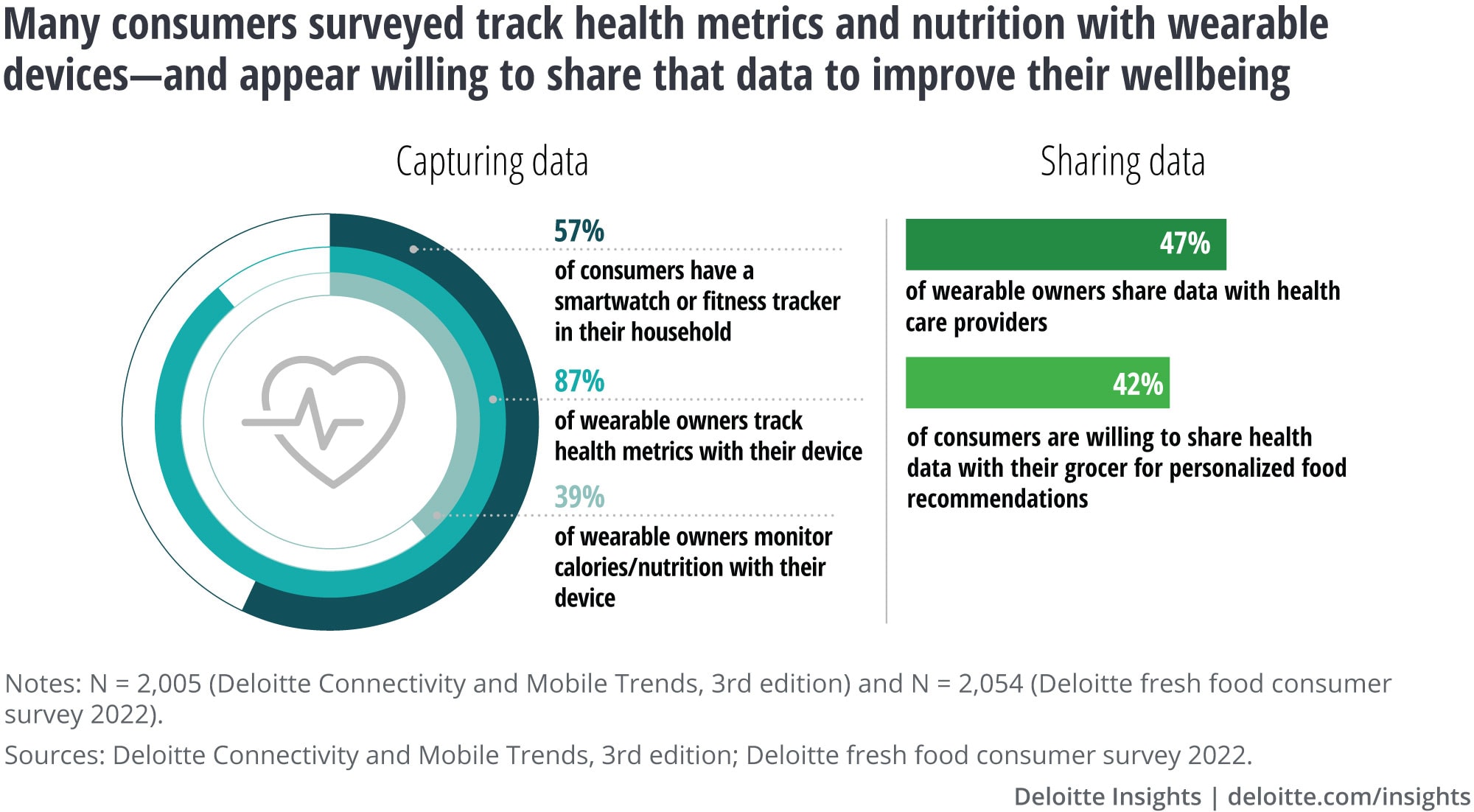
Successfully integrating wearable metrics into a medical visit requires transforming raw data into structured, digestible summaries. Physicians are often pressed for time and may initially display skepticism toward consumer-grade devices due to data noise or calibration variances. To bridge this gap, patients should present concise trend reports—such as weekly averages of resting heart rate or consistent sleep staging disruptions—rather than showing months of chaotic raw data on a phone screen.
Translating subjective wellness feelings, such as persistent fatigue or brain fog, into objective data points helps build a stronger diagnostic narrative for your physician. When you can show that your recovery scores have declined by thirty percent over three weeks alongside elevated nocturnal heart rates, you provide concrete evidence that validates your lived experience. This collaborative approach fosters productive medical conversations rooted in tangible trends.
Future Trends in Proactive Digital Health Monitoring
The landscape of personal wellness is shifting rapidly from passive data collection to proactive, AI-driven guidance. Advanced algorithms are beginning to analyze complex multi-metric interactions to offer personalized health guidance that predicts potential health bottlenecks before they disrupt daily life. Instead of simply reporting last night’s sleep score, future ecosystems will dynamically adjust recovery recommendations based on real-time inflammatory markers and metabolic trends.
Simultaneously, the integration of continuous glucose monitoring into consumer hardware is revolutionizing how we understand metabolic regulation. By tracking real-time glycemic responses to specific meals, stress, and sleep deprivation, users gain unprecedented insight into their metabolic health. This continuous feedback loop bridges everyday lifestyle choices with long-term clinical prevention, cementing wearables as indispensable tools for modern longevity.
Navigating the world of continuous biometric monitoring requires a careful balance between technological empowerment and psychological well-being. Throughout this guide, we have explored how effective preventative health wearable data analysis transforms raw numbers into meaningful insights. By understanding sensor limitations, establishing personalized baselines, and looking at longitudinal trends rather than daily fluctuations, you can turn your device from a source of digital noise into a powerful tool for wellness.
Ultimately, the goal of tracking your health is not to achieve perfection on a screen, but to foster a deeper, more intuitive connection with your own body. Wearables serve as an early warning system and a mirror for your daily habits, shedding light on how sleep, stress, and recovery influence your long-term vitality. When paired with personalized health guidance from qualified medical professionals, these insights help you take control of your well-being long before minor imbalances turn into chronic concerns. Approach your data with curiosity, patience, and a commitment to sustainable, healthy living.