
Navigating the aftermath of an unexpected medical outcome can feel overwhelming, particularly when patients and their families seek clear answers about what went wrong. Historically, institutional responses to medical errors leaned heavily toward silence and defensiveness. Today, however, modern medical malpractice disclosure policies are transforming how hospitals, clinics, and health systems communicate with patients following adverse events. Understanding these evolving guidelines is crucial for anyone looking to advocate for their health and safety.
In this guide, you will learn how contemporary healthcare facilities handle medical errors, the ethical and legal frameworks driving institutional transparency, and the practical steps patients can take when evaluating a healthcare facility transparency report. Whether you are reviewing a clinic’s safety record or seeking resolution after an incident, knowing your rights empowers you to navigate complex medical systems with confidence.
1. Understanding Medical Malpractice Disclosure Policies and Ethical Frameworks
1.1 Defining Medical Errors and the Shift in Disclosure Standards
1.1.1 Evolution from Deny and Defend to Transparent Communication
Historically, the American healthcare system operated under a rigid “deny and defend” model when unexpected adverse events occurred. Providers and legal counsel often advised absolute silence, fearing that any admission of fault would invite catastrophic litigation. However, modern healthcare facility transparency has completely transformed this approach. Today, progressive institutions recognize that open communication is not an admission of liability, but a moral and operational necessity. By prioritizing honest dialogue, hospitals help patients process unexpected outcomes while actively identifying systemic vulnerabilities to prevent future harm.
1.1.2 Categorizing Adverse Events: Near Misses versus Sentinel Events
Understanding medical malpractice disclosure policies requires examining how healthcare organizations categorize clinical mistakes. A “near miss” describes an error that came close to harming the patient but was caught just in time, such as a pharmacist intercepting an incorrect medication dosage. Conversely, a sentinel event represents a severe, unexpected occurrence resulting in death or serious physical or psychological injury. While sentinel events demand immediate root-cause analysis and mandatory patient disclosure, tracking near misses is equally vital for maintaining a reliable clinic patient safety record and refining internal workflows.
1.2 The Ethical Mandate for Transparency
1.2.1 Fiduciary Duties and Patient Autonomy
The relationship between a healthcare provider and a patient rests upon a foundational fiduciary duty of absolute trust and loyalty. Patient autonomy dictates that individuals hold the right to understand every aspect of their health status, including medical errors that alter their recovery trajectory. When providers withhold critical details about clinical mistakes, they strip patients of their autonomy, preventing them from seeking timely secondary interventions or informed follow-up care.
1.2.2 Building Institutional Trust through Accountability
Institutional reputation relies heavily on how organizations handle inevitable human and systemic errors. Modern healthcare facility transparency fosters an environment where honesty replaces concealment. When leadership openly addresses mistakes, explains corrective actions, and welcomes scrutiny, patients and communities develop a deeper, more resilient trust in the healthcare provider.
1.3 The Legal Architecture of Disclosure
1.3.1 Federal Mandates and Joint Commission Requirements
Regulatory bodies set clear operational expectations regarding adverse event reporting. The Joint Commission mandates that accredited hospitals have explicit disclosure protocols in place. These standards require clinicians to inform patients whenever significant care deviations occur, ensuring that accountability is woven directly into daily clinical governance rather than treated as an optional legal safeguard.
1.3.2 State-Level Apology Laws and Evidentiary Protections
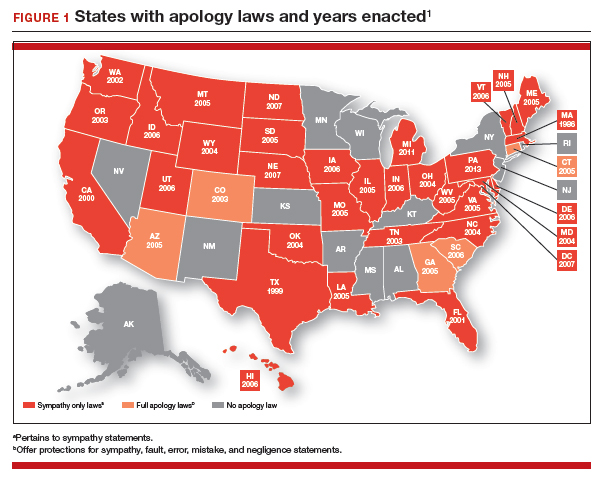
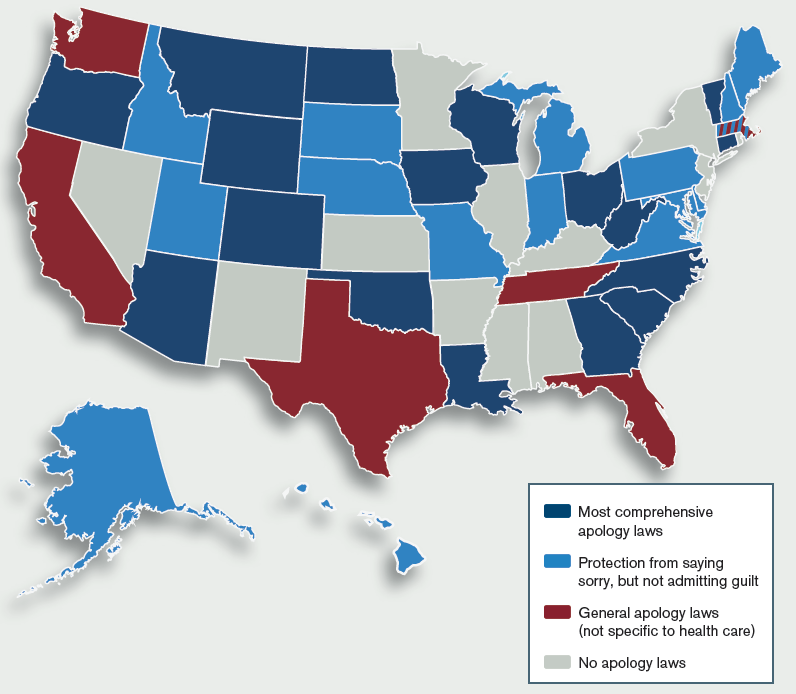
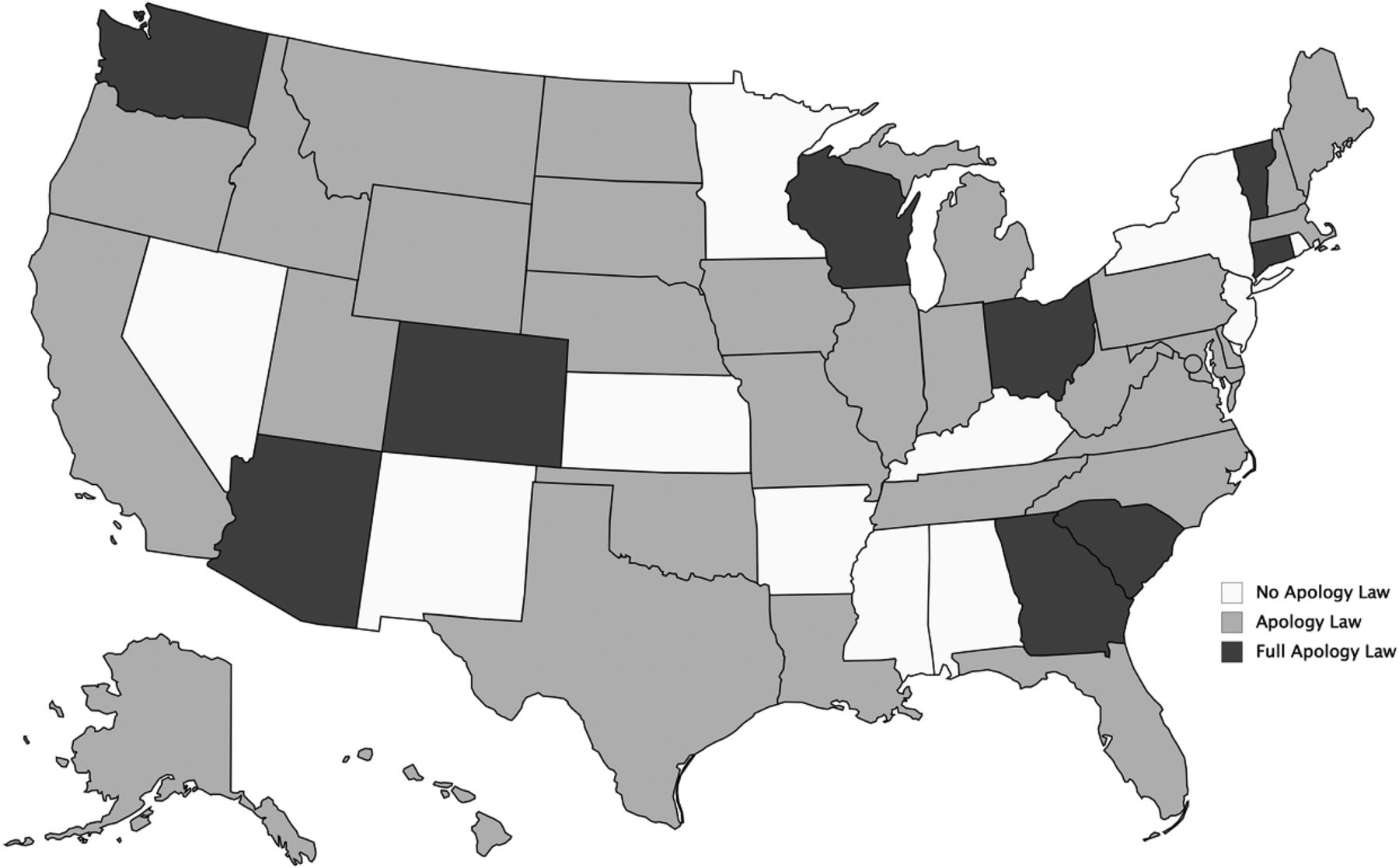
To encourage honest conversations, the majority of U.S. states have enacted “apology laws.” These statutes generally shield expressions of sympathy, empathy, or benevolent gestures from being used as admissions of guilt in court. Understanding these state-specific protections is essential for both clinicians navigating delicate conversations and patients seeking clarity without immediate adversarial friction.
1.3.3 How Disclosure Affects Malpractice Liability and Litigation
1.3.3.1 Communication-and-Resolution Programs (CRPs)
Communication-and-Resolution Programs represent a proactive shift in handling medical errors. Instead of waiting for a lawsuit, CRPs empower hospitals to immediately investigate adverse events, disclose findings to the patient, offer a transparent explanation, and propose fair compensation or remediation when appropriate. This framework significantly reduces prolonged litigation and emotional stress for both parties.
1.3.3.2 Analyzing Settlement Payouts Following Disclosure
Data consistently demonstrates that structured disclosure policies can alter the financial trajectory of medical malpractice claims. By addressing grievances early through a formal clinic grievance redressal process, institutions often resolve disputes efficiently. Consequently, early transparency frequently leads to lower overall settlement payouts and avoids the exorbitant legal fees associated with protracted courtroom trials.
2. Navigating the Practical Application of Medical Malpractice Disclosure Policies

2.1 Barriers to Implementing Effective Disclosure
Translating ethical medical malpractice disclosure policies into everyday clinical practice remains complex due to persistent systemic roadblocks. Administrative caution, institutional defense mechanisms, and professional anxieties frequently clash with modern quality improvement objectives. Understanding these friction points helps patients and healthcare providers appreciate why transparent communication does not always happen automatically after an adverse medical event occurs.
2.1.1 Institutional Resistance and Cultural Challenges
Historically, hospitals and clinics operated under a risk-averse culture that discouraged open admissions of error. This legacy of defensive medicine often frames open disclosure as a legal vulnerability rather than a moral duty. Overcoming this requires a cultural shift toward a just culture, where institutional leaders support transparent reporting and examine systemic failures without resorting to punitive measures against individual staff members.
2.1.2 The Second Victim Phenomenon: Supporting Clinicians
When an unexpected medical error occurs, the patient is the primary victim, but the attending healthcare professionals often experience severe emotional trauma, known as the second victim phenomenon. Clinicians may suffer from profound guilt, anxiety, and burnout. Without structured institutional support systems—such as confidential peer counseling and dedicated debriefing sessions—fear of professional isolation can paralyze clinicians, delaying or preventing honest communication with the affected patient.
2.1.3 Mitigating Fears of Professional Liability
Many physicians and facility administrators worry that apologizing or explaining an adverse event will immediately invite aggressive litigation and inflate potential settlement payouts. However, modern communication frameworks demonstrate that patients are often less likely to sue when they receive a prompt, empathetic explanation, a sincere apology, and a clear plan to prevent future occurrences.
2.2 A Patient Guide to Addressing Medical Errors
Navigating the aftermath of a suspected medical error requires a structured, calm approach. Patients and their families must act methodically to gather factual information, protect their rights, and engage productively with healthcare facility transparency protocols.
2.2.1 Requesting Medical Records and Official Incident Reports
The first step is securing a complete, unedited copy of your medical chart, nursing notes, and diagnostic imaging reports. Under federal HIPAA regulations, patients have a legal right to access their medical records. Additionally, patients can inquire about internal safety logs or clinic patient safety record documentation that may pertain directly to the unexpected outcome.
2.2.2 Strategic Questions for Hospital Risk Management
When meeting with hospital administrators or risk management representatives, clarity is essential. Direct inquiries should focus on what specific factors contributed to the adverse event, what immediate corrective measures are being implemented, and how the facility plans to support ongoing medical care necessitated by the error. Documenting every conversation in writing ensures clear accountability.
2.2.3 Determining When to Involve Legal Counsel
While many disputes can be resolved collaboratively through hospital grievance channels or internal mediation, complex cases involving permanent injury, significant financial loss, or disputed facts often require specialized legal expertise. Consulting a medical malpractice attorney helps ensure that your rights are safeguarded while navigating formal litigation timelines.
2.3 Frequently Asked Questions
2.3.1 Defining Reportable Medical Errors
Reportable errors include severe deviations from standard medical care that result in unintended patient harm, prolonged hospital stays, permanent disability, or wrongful death. Facilities must track these events to maintain proper accreditation and regulatory compliance.
2.3.2 The Scope of Apology Laws in U.S. Jurisdictions
Many U.S. states have enacted apology laws that protect expressions of empathy, sympathy, or sorrow from being used as admissions of liability in court. However, the exact legal scope varies significantly, as some states protect full admissions of fault while others only protect expressions of condolence.
2.3.3 Does Admitting Fault Automatically Trigger Litigation?
Not necessarily. While fear of lawsuits drives institutional secrecy, empirical studies show that open, honest communication often defuses patient anger, reduces the likelihood of hiring an attorney, and fosters collaborative problem-solving.
2.3.4 Actions to Take When Disclosure Is Denied
If a facility refuses to disclose details surrounding an adverse event, patients can file formal complaints with state licensing boards, notify accrediting organizations like The Joint Commission, or utilize the clinic grievance redressal process to demand a formal institutional review.
The evolution of medical malpractice disclosure policies represents a fundamental culture shift in modern U.S. healthcare. By moving away from historical defensive postures toward radical transparency, healthcare institutions and clinical providers are actively rebuilding trust with the communities they serve. Effective disclosure is no longer viewed merely as a legal risk, but as an essential ethical duty that honors patient autonomy and prioritizes safety above all else.
Understanding how medical malpractice disclosure policies function empowers patients to navigate unexpected adverse events with confidence, clarity, and constructive support. Whether you are reviewing a healthcare facility transparency report or seeking answers following an incident, staying informed ensures that accountability and healing remain at the forefront of patient care.