

For decades, modern healthcare has largely operated on a reactive model—treating symptoms, managing chronic conditions, and intervening only after illness strikes. Today, a paradigm shift toward precision medicine is empowering individuals to take a proactive stance on their longevity. At the vanguard of this movement is preventative wellness genetic testing, an innovative approach that decodes your unique DNA blueprint to identify health risks long before symptoms manifest. By evaluating your genetic predispositions, modern genomic panels offer a window into how your body processes medications, manages inflammation, and responds to various environmental and nutritional factors.
However, navigating the world of personal genomics can feel overwhelming. From understanding complex laboratory reports to determining the limits of direct-to-consumer kits, patients often wonder what the process actually entails and how to translate raw data into a meaningful preventive health consultation. In this guide, we will explore the science behind these screenings, examine what to expect from the clinical pathway, and outline how to safely integrate genetic insights into a comprehensive wellness strategy for a healthier future.
1. Understanding the Science and Scope of Preventative Wellness Genetic Testing
1.1 Defining Preventative Wellness Genetic Testing
1.1.1 Distinguishing Between Diagnostic and Wellness-Focused Genomics
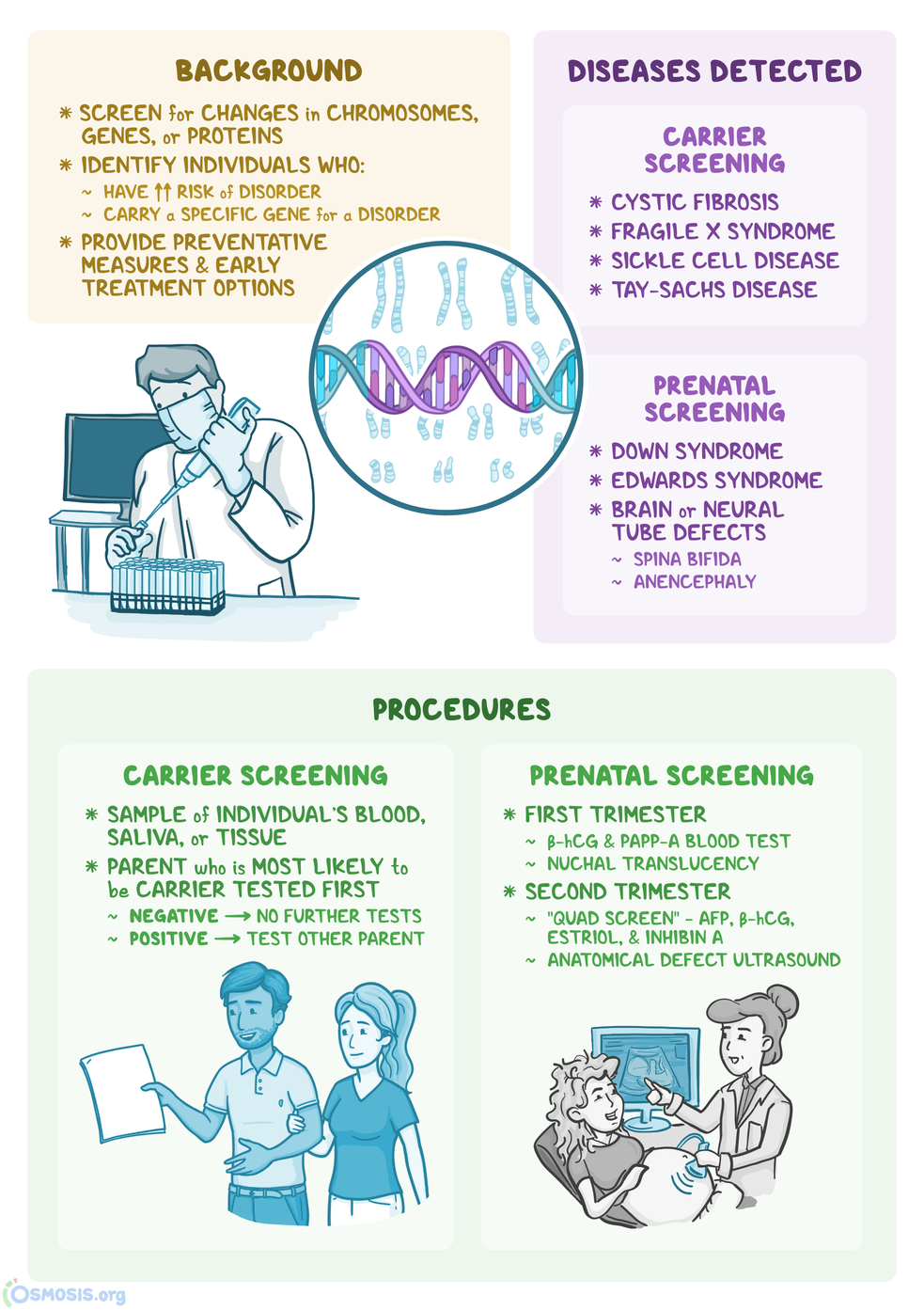
Understanding preventative wellness genetic testing begins with recognizing how it differs from traditional diagnostic genomics. Diagnostic genetic testing is typically ordered by a physician to identify specific, highly penetrant mutations responsible for an existing symptom or acute medical condition, such as cystic fibrosis or Huntington’s disease. In contrast, wellness-focused genomics explores susceptibility variants, metabolic traits, and lifestyle-related predispositions. Rather than providing a definitive diagnosis, it serves as a proactive tool to help individuals understand their unique biological blueprint before clinical symptoms arise.
1.1.2 The Role of DNA, Genes, and Chromosomes in Longevity
Your genetic code is written in DNA, organized into genes, and packaged tightly within chromosomes. While your fundamental DNA sequence remains constant throughout your life, how your genes interact with your environment, diet, and lifestyle dictates your overall longevity and vitality. Preventative wellness genetic testing looks at specific single nucleotide polymorphisms (SNPs) across these chromosomes to evaluate how efficiently your body manages inflammation, clears toxins, or processes certain nutrients, paving the way for targeted healthy aging strategies.
1.2 The Clinical Pathway from Sample to Insight
1.2.1 Selecting Between Direct-to-Consumer Kits and Clinical-Grade Providers
Navigating the genomic landscape requires choosing the right testing provider. Direct-to-consumer (DTC) models offer convenient access and broad lifestyle insights, but they often rely on lower-density microarray chips that analyze a fraction of your genetic variants. Conversely, clinical-grade providers frequently incorporate a preventive health consultation to ensure that comprehensive sequencing panels—such as full-gene sequencing or targeted panels—are ordered, supervised, and interpreted correctly by qualified medical professionals.
1.2.2 Understanding Collection Methods: Saliva Kits Versus Clinical Blood Draws
The journey from biological sample to actionable data typically begins with either a saliva collection kit or a clinical blood draw. Saliva collection is non-invasive and can be performed easily at home, though it carries a slight risk of sample degradation or insufficient DNA yield if not collected precisely according to instructions. Professional blood draws, administered in a clinical setting, yield high-purity genomic DNA that minimizes re-testing delays and guarantees sample integrity for advanced laboratory analysis.
1.2.3 Laboratory Analysis Standards and Expected Turnaround Times
Once your biological sample reaches the laboratory, it undergoes rigorous quality control, extraction, and sequencing or genotyping. Accredited facilities operate under strict Clinical Laboratory Improvement Amendments (CLIA) and College of American Pathologists (CAP) standards to ensure analytical validity. Depending on the complexity of the panel, laboratory analysis and bioinformatics processing typically take anywhere from two to six weeks before raw data is translated into a readable consumer or physician report.
1.3 Interpreting Your Genomic Data
1.3.1 Pharmacogenomics: How Your DNA Influences Medication Response
One of the most clinically actionable components of modern genomic panels is pharmacogenomics. This field examines how genetic variations in liver enzymes—such as the cytochrome P450 system—affect your body’s ability to metabolize pharmaceutical drugs. Understanding these genetic profiles helps clinicians anticipate adverse drug reactions or adjust dosages proactively, minimizing trial-and-error prescribing for common medications ranging from statins to antidepressants.
1.3.2 Assessing Polygenic Risk Scores and Chronic Condition Predispositions
Unlike single-gene disorders, most common wellness concerns and chronic conditions are influenced by hundreds or thousands of genetic variants working in concert. Polygenic risk scores aggregate the cumulative impact of these minor genetic variations to estimate your lifetime predisposition to complex conditions like cardiovascular disease or type 2 diabetes. When paired with a thorough family medical history risk assessment, these scores offer a much clearer picture of your overall susceptibility.
1.3.3 Differentiating Between Genetic Risk Variants and Definitive Diagnoses
It is vital to remember that a genetic risk variant is never a guarantee of disease development. Unlike deterministic mutations that cause a condition regardless of external factors, susceptibility variants simply indicate elevated statistical risk. Environmental influences, daily habits, and regular clinical screenings heavily modify this baseline risk, meaning proactive lifestyle modifications can effectively alter your long-term health trajectory.
Navigating the Benefits, Risks, and Integration of Preventative Wellness Genetic Testing
Maximizing the Clinical Utility of Your Results
Personalized Lifestyle, Nutrition, and Fitness Optimization
Translating raw genetic data into meaningful daily habits is where wellness genomics truly shines. By examining single nucleotide polymorphisms associated with metabolism, vitamin absorption, and muscle fiber composition, individuals can tailor their dietary and exercise regimens. For instance, knowing how your body processes certain macronutrients allows for a more targeted approach to overall vitality, turning abstract genetic insights into actionable lifestyle modifications.
Enhancing Surveillance and Early Detection Strategies
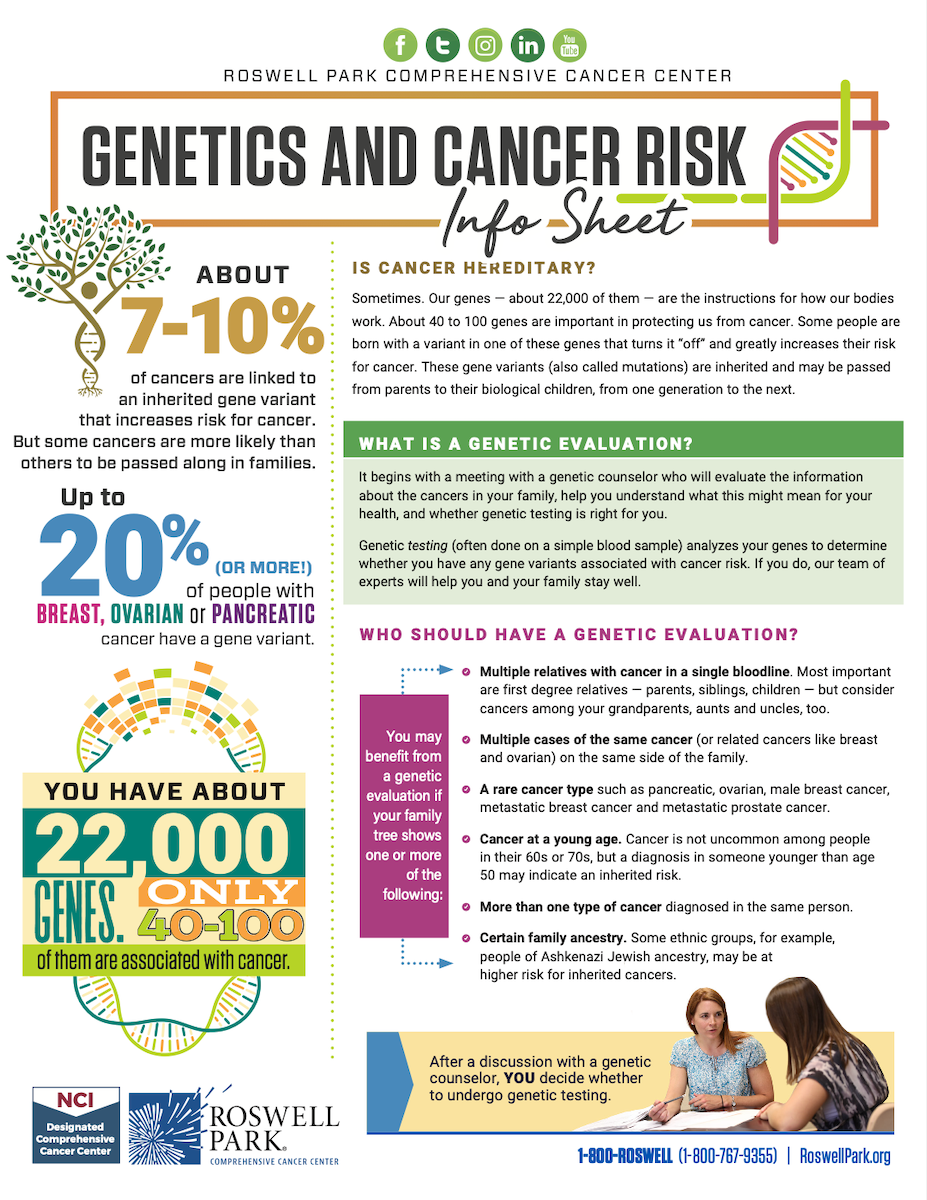
Uncovering hereditary predispositions shifts healthcare from a reactive stance to a proactive strategy. When individuals identify specific markers tied to chronic conditions, they can work alongside healthcare professionals to establish customized screening schedules. Increased vigilance—such as earlier or more frequent imaging and laboratory tests—ensures that potential health concerns are caught in their earliest, most manageable stages.
Collaborative Care: Partnering with Primary Care Providers and Specialists
Genetic insights should never exist in a vacuum. Integrating your findings into your broader medical record empowers your primary care physician and relevant specialists to design a comprehensive wellness strategy. Sharing this data ensures that your entire clinical team stays informed, facilitating a unified approach to your long-term health and disease prevention.
Addressing Ethical Considerations and Data Security
Privacy Protections and the Genetic Information Nondiscrimination Act
Privacy is a primary concern for anyone exploring preventative wellness genetic testing. In the United States, the Genetic Information Nondiscrimination Act provides federal safeguards that protect individuals from health insurance discrimination and employment bias based on genetic data. However, understanding the exact scope and limitations of these legal protections is vital before submitting any biological samples.
The Potential for Psychological Impact and Uncertainty
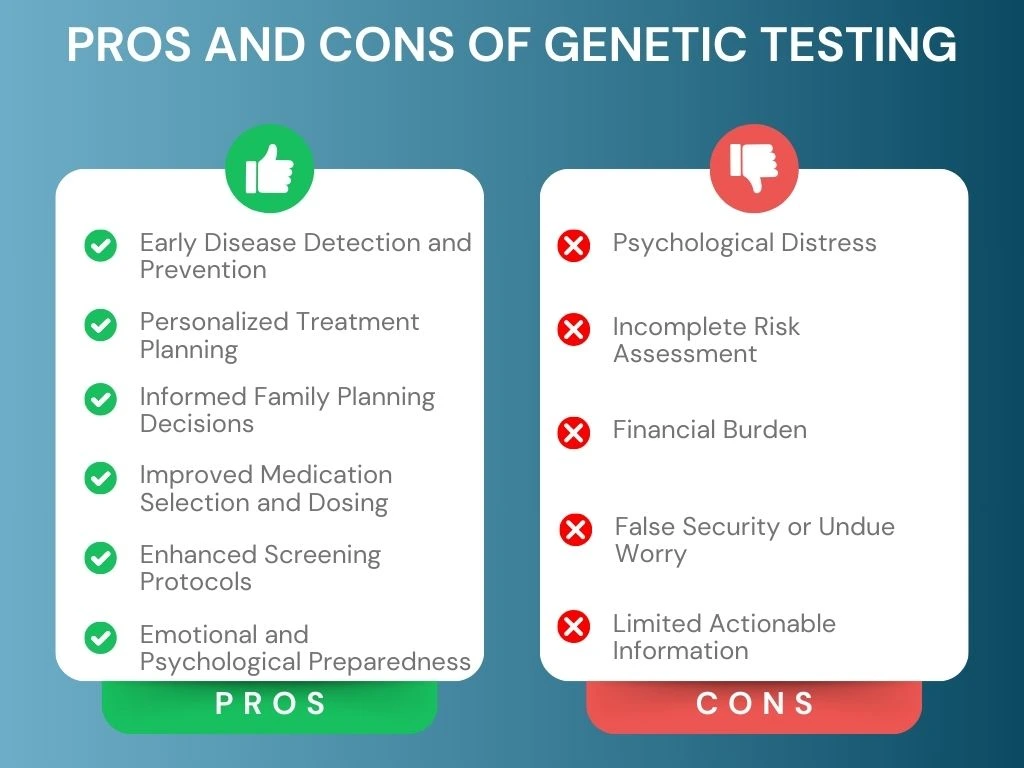
Receiving probabilistic health data can sometimes introduce psychological stress or a sense of fatalism. Because wellness genomics typically reports increased risk rather than a definitive diagnosis, managing expectations is essential. Recognizing that a genetic predisposition is not a guarantee of illness helps maintain mental well-being and emotional balance.
Risks of False Positives and Over-Interpretation of Raw Data
Direct-to-consumer platforms sometimes yield variants of uncertain significance or consumer-facing reports that lack clinical validation. Over-interpreting raw data without professional context can lead to unnecessary anxiety or misguided lifestyle changes. Relying on validated laboratory standards helps mitigate these risks.
The Necessity of Professional Guidance
Why Pre-Test and Post-Test Genetic Counseling Is Vital
Navigating the complexities of your DNA requires expert clinical communication. Engaging in a preventive health consultation before and after testing ensures that you fully grasp the implications of your results, separating actionable health steps from statistical noise.
Translating Genomic Findings into Actionable Health Habits
Professional guidance bridges the gap between scientific reports and daily routines. Genetic counselors and clinicians help prioritize which findings require immediate attention and which simply serve as general background information for your long-term health journey.
Keeping Pace with Evolving Genomic Science and Re-evaluation Needs
Genomic science advances at a rapid pace, meaning that variants of unknown significance today may be reclassified tomorrow. Maintaining an ongoing dialogue with your healthcare provider ensures your wellness plan evolves alongside modern medical discoveries.
Preventative wellness genetic testing offers an unprecedented window into our biological blueprints, shifting the paradigm of modern healthcare from reactive treatment to proactive longevity. By understanding how your unique DNA influences everything from medication metabolism to chronic condition predispositions, you gain a powerful tool to optimize your daily habits and clinical surveillance. However, genomic data is only as valuable as its interpretation. Pairing your insights with a preventive health consultation ensures that raw laboratory numbers translate into safe, realistic, and medically sound lifestyle changes.
Ultimately, your genetic code is not a fixed destiny. It is a roadmap that highlights where you can take targeted action to protect your long-term health. By approaching preventative wellness genetic testing with realistic expectations, ethical awareness, and strong professional guidance, you can make informed, empowering choices for a healthier future.
One Reply to “Preventative Wellness Genetic Testing: What to Expect”