

Navigating modern healthcare often feels like reacting to illnesses only after they have fully developed. However, a profound shift toward proactive medicine has brought lifestyle disease risk stratification to the forefront of clinical practice. Instead of waiting for chronic conditions like type 2 diabetes or cardiovascular disease to manifest, healthcare professionals now use this sophisticated evaluation process to categorize a patient’s vulnerability long before symptoms appear. By evaluating complex factors ranging from internal biological markers to everyday habits, physicians can pinpoint where an individual falls on the spectrum of chronic disease susceptibility.
Understanding this process empowers you to take control of your long-term wellness rather than leaving your future health to chance. Throughout this guide, you will learn how clinicians evaluate biometric health data interpretation, integrate genetic predispositions with environmental factors, and utilize tiered intervention models. Whether you are looking to optimize your current vitality or manage existing predispositions, mastering the fundamentals of risk stratification provides a clear roadmap for achieving sustainable, lifelong wellness.
1. Understanding the Clinical Framework of Lifestyle Disease Risk Stratification
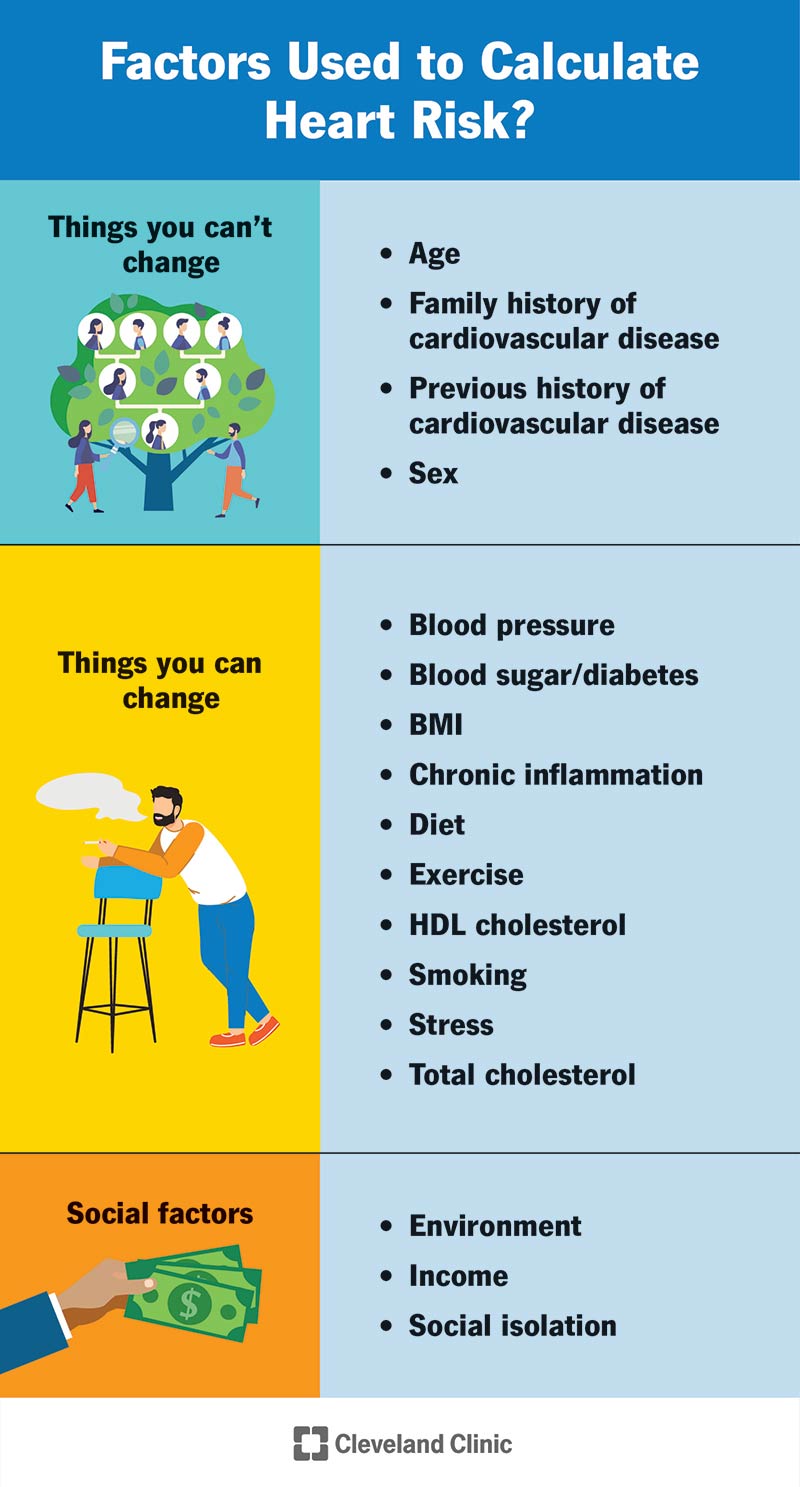
When clinicians evaluate a patient’s vulnerability to chronic illness, they rely on a structured approach known as lifestyle disease risk stratification. This process goes beyond a simple snapshot of current symptoms, mapping out how everyday habits interact with biology over time to determine future health trajectories.
1.1 The Science of Chronic Disease Development
Chronic conditions rarely appear overnight. They develop through complex biological pathways that build momentum over decades, often starting with subtle shifts in cellular function.
1.1.1 Pathophysiology of Metabolic Syndrome
Metabolic syndrome acts as a primary engine for many lifestyle-related diseases, tying together insulin resistance, central adiposity, dyslipidemia, and hypertension. When cells stop responding effectively to insulin, the pancreas compensates by pumping out more, leading to hyperinsulinemia. Over time, this cascade triggers fat accumulation around vital organs and sets the stage for type 2 diabetes and cardiovascular events.
1.1.2 The Role of Inflammation and Oxidative Stress
Underlying metabolic dysfunction is a persistent, low-grade immune response. Chronic stress, poor nutrition, and environmental toxins cause cells to release pro-inflammatory cytokines, while simultaneously overwhelming antioxidant defenses. This oxidative stress damages cellular membranes, proteins, and DNA, gradually eroding tissue integrity in blood vessels and metabolic organs.
1.2 Clinical Markers and Diagnostic Protocols
To catch these hidden processes early, modern medicine utilizes objective metrics that reveal what is happening beneath the surface.
1.2.1 Interpreting Lipid Profiles and Glycemic Indices
Accurate biometric health data interpretation requires looking past standard cholesterol totals. Clinicians analyze the particle size and number of low-density lipoproteins, alongside triglyceride-to-HDL ratios and fasting glucose or hemoglobin A1c levels, to spot early signs of vascular and metabolic strain.
1.2.2 Advanced Imaging and Body Composition Analysis
While standard scales tell one story, advanced tools like dual-energy x-ray absorptiometry (DEXA) scans and coronary artery calcium (CAC) scoring provide definitive insights. These modalities measure visceral fat distribution and detect early calcified plaque in coronary arteries long before symptoms manifest.
1.2.3 Utilizing Standardized Risk Calculators like ASCVD and Framingham
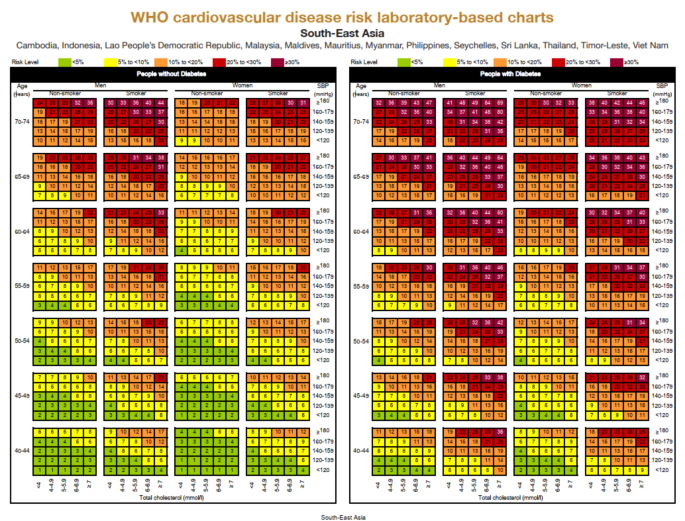
Healthcare providers aggregate these biometric markers into validated models like the Atherosclerotic Cardiovascular Disease (ASCVD) risk estimator or the Framingham Risk Score. These tools estimate a patient’s percentage chance of experiencing a major cardiovascular event over a ten-year window, guiding clinical decision-making.
1.3 Integrating Genetic Predisposition with Environmental Exposures
Genetics load the gun, but lifestyle pulls the trigger. Understanding risk requires looking at both inherited traits and daily realities.
1.3.1 Epigenetic Influences on Health Outcomes
Our DNA sequence is not a rigid destiny. Epigenetic tags—influenced by diet, physical activity, and stress—turn specific genes on or off, determining whether hereditary risks actually translate into physical disease.
1.3.2 Assessing Familial Patterns of Disease vs. Shared Environmental Habits
Disentangling true genetic vulnerability from shared household habits is a cornerstone of a comprehensive preventative wellness genetic testing strategy. By analyzing family medical history alongside current household behaviors, clinicians can pinpoint whether a patient’s risk stems primarily from inherited markers or modifiable routines.
2. Practical Strategies for Risk Mitigation and Long-Term Health Management
2.1 Tiered Intervention Models Based on Risk Stratification
2.1.1 Primary Prevention for Low-Risk Populations
For individuals categorized as low-risk during their initial evaluation, the primary objective is maintaining physiological baseline stability. Healthcare providers typically focus on sustaining healthy habits through education rather than aggressive therapeutic measures. This phase centers on encouraging balanced nutrition, regular physical activity, and routine monitoring to ensure that biomarkers remain within optimal ranges over time.
2.1.2 Targeted Lifestyle Modification for Moderate-Risk Individuals
When biometric health data interpretation reveals emerging vulnerabilities—such as borderline blood pressure or elevated fasting glucose—clinicians implement targeted interventions. Patients in this tier benefit from structured physical activity regimens, dietary adjustments, and scheduled follow-ups. Engaging in a proactive preventive health consultation helps bridge the gap between early detection and sustained behavioral change.
2.1.3 Clinical Management and Intensive Coaching for High-Risk Profiles
High-risk populations require rigorous oversight, combining pharmacotherapy with intensive medical supervision. Care teams work closely with patients to stabilize acute precursor conditions and prevent major adverse events. This tier often involves multi-disciplinary support to manage complex regimens and ensure continuous adherence to treatment goals.
2.2 The Impact of Behavioral and Psychosocial Determinants
2.2.1 Measuring the Physiological Cost of Chronic Stress
Unmanaged psychological pressure elevates cortisol levels, increases systemic inflammation, and accelerates vascular aging. Recognizing how chronic stress impacts metabolic health allows clinicians to incorporate mindfulness, cognitive behavioral strategies, and restorative therapies into daily routines, safeguarding long-term vitality.
2.2.2 The Significance of Sleep Architecture and Circadian Health
Disrupted sleep architecture impairs glucose metabolism, hormonal balance, and immune function. Restoring circadian alignment through consistent sleep-wake cycles is a fundamental pillar of wellness strategy development, directly influencing a patient’s capacity to recover from daily stressors.
2.2.3 Evaluating Socioeconomic Barriers to Preventive Care
Access to nutritious food, safe exercise environments, and reliable healthcare resources heavily dictates long-term health outcomes. Addressing these external constraints requires community-level support and tailored interventions that make healthy choices achievable regardless of a patient’s background.
2.3 Leveraging Technology for Continuous Risk Monitoring
2.3.1 Remote Patient Monitoring and Wearable Data Integration
Modern consumer technology allows individuals to track continuous physiological metrics, turning everyday habits into actionable clinical insights. When integrated with professional care platforms, these data streams empower physicians to spot early negative trends before they manifest as chronic conditions.
2.3.2 Digital Health Platforms for Real-Time Habit Tracking
Mobile applications and interactive software help patients visualize their progress regarding nutrition, sleep, and physical exertion. By receiving personalized health guidance through these digital tools, users stay motivated and aligned with their long-term preventive objectives.
2.3.3 When to Transition from Self-Assessment to Medical Intervention
While self-tracking tools are valuable for general wellness, persistent adverse readings demand professional evaluation. Knowing when to escalate concerns from digital logs to a physician’s office ensures that emerging medical issues receive timely, expert attention.
Navigating your long-term wellness starts with understanding that chronic conditions rarely appear overnight. By evaluating your biometric health data interpretation alongside genetic and environmental factors, risk stratification transforms complex medical metrics into a clear roadmap for the future. Instead of waiting for symptoms to surface, this proactive clinical model empowers you and your healthcare team to catch subtle shifts in your health early.
Ultimately, knowing where you stand on the spectrum of vulnerability allows for targeted interventions rather than generalized guesswork. Taking the next step involves scheduling a preventive health consultation to turn your data insights into a sustainable, personalized strategy. Committing to informed, continuous monitoring today is the most effective way to safeguard your vitality for the years ahead.