

Embarking on a journey to find answers for unexplained, complex symptoms often feels like an uphill battle. For millions of patients and their families, navigating the medical system for an elusive condition means enduring years of uncertainty, misdiagnoses, and repeated dead ends. This difficult path is precisely where centers for rare disease diagnostics become essential. These highly specialized facilities are designed to untangle complex medical mysteries by uniting cutting-edge technology with collaborative clinical expertise.
If you or a loved one are preparing for an evaluation at one of these institutions, knowing what lies ahead can significantly reduce anxiety. In this guide, you will learn how specialized diagnostic centers operate, what to expect during the referral and intake process, how advanced genetic testing works, and how multidisciplinary teams collaborate to build actionable, long-term care plans.
1. Understanding Centers for Rare Disease Diagnostics and the Diagnostic Odyssey

Embarking on a quest for answers regarding a mysterious, multi-system illness often means entering what the medical community calls the diagnostic odyssey. For individuals and families navigating unexplained symptoms, finding clarity requires moving beyond standard local healthcare options into structured investigative environments.
1.1 The Role and Scope of Specialized Diagnostic Centers
When routine medical evaluations hit a dead end, specialized diagnostic centers step in to untangle complex symptom patterns. These institutions are specifically designed to investigate medical anomalies that defy conventional categorization.
1.1.1 Defining the difference between community clinics and centers of excellence
While community clinics excel at managing general health, preventive care, and common acute conditions, they rarely possess the infrastructure required to decode ultra-rare disorders. Centers of excellence, by contrast, focus heavily on academic research, advanced genomic profiling, and cross-specialty collaboration. They maintain dedicated resources for evaluating rare conditions, allowing clinicians to connect fragmented symptoms to rare genetic variations or systemic autoimmune disorders that general practitioners might see only once in a career.
1.1.2 The composition of multidisciplinary care teams
Unraveling a complex condition requires more than a single physician’s perspective. Multi-disciplinary medical hubs bring together geneticists, immunologists, neurologists, metabolic specialists, and specialized nurse coordinators under one collaborative roof. This team-based approach ensures that a patient’s neurological symptoms are evaluated in tandem with gastrointestinal or immunological anomalies, reducing the risk of diagnostic blind spots.
1.2 Navigating the Referral and Intake Process
Gaining entry into a specialized diagnostic facility involves rigorous administrative and clinical screening to ensure that the center’s resources align with the patient’s unique profile.
1.2.1 How to secure a referral and meet eligibility requirements
Most advanced diagnostic hubs require a formal physician referral accompanied by a comprehensive summary of previous negative test results. Intake coordinators evaluate these packets to determine whether the patient’s presentation meets the center’s research criteria or clinical scope, prioritizing cases where a definitive diagnosis remains elusive despite extensive local workups.
1.2.2 Preparing your medical history and family pedigree documentation
A meticulous medical history is the cornerstone of rare disease evaluation. Patients or caregivers should compile a chronological timeline of symptom onset, previous diagnoses, treatments tried, and adverse reactions. Additionally, constructing a detailed family pedigree—mapping out health conditions across at least three generations—helps clinical geneticists identify potential hereditary patterns.
1.3 Setting Expectations for the Clinical Encounter
The initial visit to a specialized diagnostic center is rarely a quick consultation; it marks the beginning of an intensive investigative phase.
1.3.1 Preparing for the initial physical examination and symptom review
During the first appointment, clinicians conduct an exhaustive physical exam, often looking for subtle dysmorphic features, neurological quirks, or dermatological markers that hold diagnostic clues. Providers will meticulously review every symptom, no matter how minor or seemingly unrelated it may appear to the patient.
1.3.2 Essential questions to ask regarding the diagnostic pathway
To make the most of the clinical encounter, patients and their advocates should come prepared with targeted questions. Inquiries should focus on the anticipated diagnostic timeline, which specific advanced assays or sequencing panels are being considered, and how the multidisciplinary team communicates ongoing findings. To ensure you find a facility that aligns with your needs, you can explore detailed insights on specialized diagnostic centers to help guide your selection process.
2. The Clinical Journey: Advanced Testing and Actionable Care Plans
2.1 Navigating Advanced Diagnostic Evaluations
2.1.1 Overview of whole exome and genome sequencing technologies
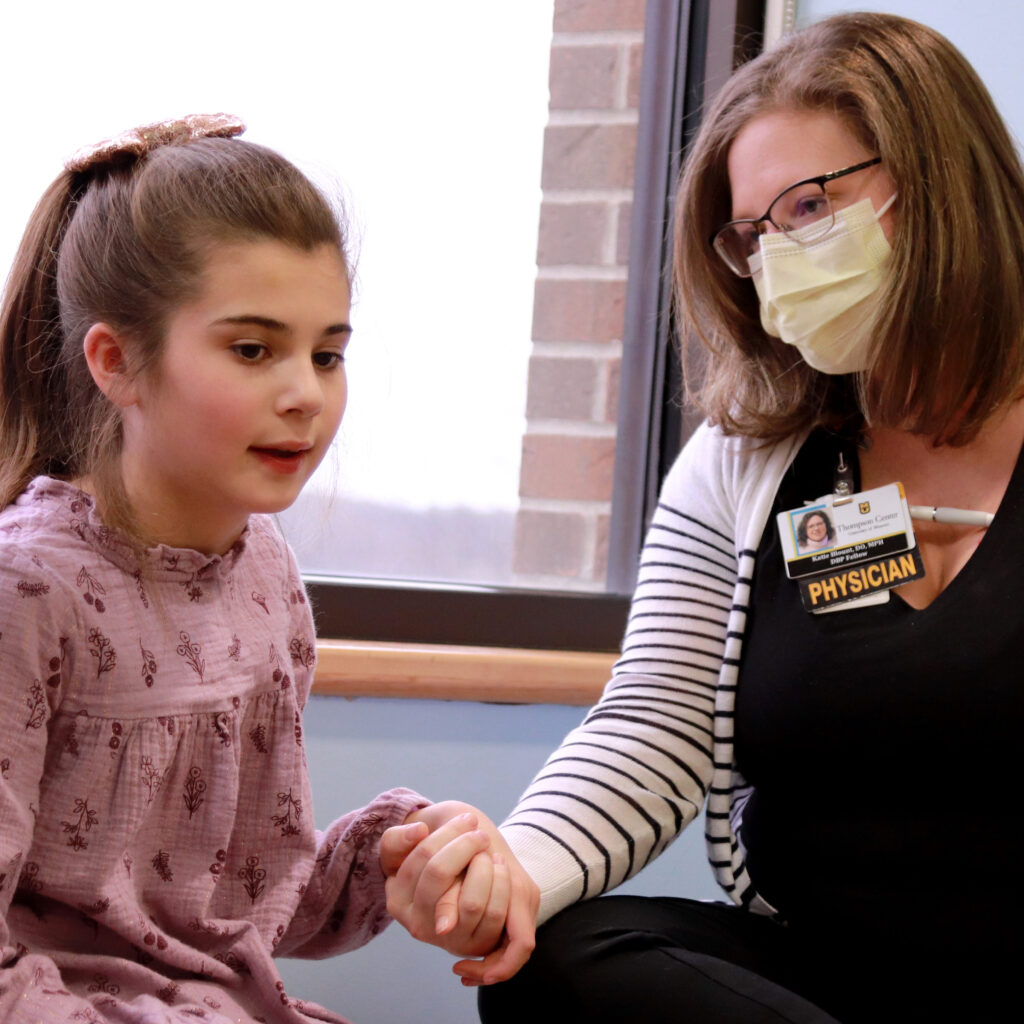
When community care reaches its limits, specialized diagnostic centers step in to decode complex molecular puzzles. Whole exome sequencing focuses on the protein-coding regions of genes, known as the exome, where the vast majority of known disease-causing mutations reside. Meanwhile, whole genome sequencing analyzes the entirety of an individual’s genetic code, including non-coding regions that regulate gene expression. By deploying these advanced technologies, clinical geneticists can evaluate thousands of genes simultaneously, drastically cutting down the time it takes to identify elusive monogenic or polygenic disorders.
2.1.2 Understanding the timeline for complex genetic testing
Families often wonder why advanced genomic testing takes several weeks or even months to yield results. The journey from drawing a blood sample to receiving a verified report involves meticulous laboratory steps. Technicians must extract high-quality DNA, sequence the genetic material using high-throughput platforms, and run extensive bioinformatic pipelines to map billions of data points against global genomic databases. Following computational analysis, clinical laboratory directors and molecular pathologists manually review flagged variants to ensure accuracy before drafting a comprehensive diagnostic report.
2.2 Interpreting Complex Results and Moving Forward
2.2.1 Decoding variants of unknown significance and inconclusive findings
Not every genetic test results in a definitive answer. A frequent hurdle in rare disease diagnostics is the discovery of variants of unknown significance, or VUS. This occurs when a genetic alteration is identified, but current medical science does not yet have enough data to determine whether it is benign or disease-causing. Inconclusive findings can feel frustrating after a long diagnostic odyssey, but specialized teams frequently re-evaluate these variants over time as genomic databases expand and scientific literature evolves.
2.2.2 The critical role of genetic counselors in family planning and impact assessment
Translating dense laboratory findings into understandable, actionable insights requires the expertise of specialized professionals. Genetic counselors bridge the gap between complex molecular data and patient understanding, helping individuals and families process what a diagnosis means for their daily lives and future family planning. They break down inheritance patterns, discuss the likelihood of passing specific markers to offspring, and offer vital emotional support as families adjust to their new medical reality.
2.3 Transitioning to Long-Term Disease Management
2.3.1 Developing personalized care plans and identifying subspecialists
Receiving a diagnosis marks the transition from searching for answers to active management. Multi-disciplinary medical hubs design customized care roadmaps tailored to the unique manifestations of a condition. Because rare diseases frequently impact multiple organ systems, coordination among diverse subspecialists—such as neurologists, cardiologists, and metabolic dietitians—ensures that every symptom is managed cohesively rather than in isolation.
2.3.2 Accessing clinical trials and patient advocacy support networks
For many rare conditions, standard treatment options may be limited, making emerging therapies an essential avenue to explore. Diagnostic centers often connect patients with clinical research participation guidance to help them evaluate open trials for novel therapeutics. Additionally, partnering with disease-specific advocacy groups provides access to peer communities, educational resources, and financial assistance programs that alleviate the burdens of long-term condition management.
2.3.3 Navigating insurance coverage and financial assistance for rare disease testing
Advanced genomic testing can involve significant out-of-pocket costs if prior authorization protocols are not meticulously managed. Financial navigators and dedicated social workers within specialized clinics work directly with health insurance providers to submit clinical rationale letters and overturn claim denials. When coverage is denied, these teams help patients explore alternative payment models, manufacturer assistance programs, and institutional grants to ensure financial hurdles never block access to life-changing care.
Navigating the diagnostic odyssey can feel overwhelming, but understanding what to expect at centers for rare disease diagnostics can transform uncertainty into a structured path forward. By partnering with specialized diagnostic centers, patients gain access to advanced genomic technologies, clinical expertise, and collaborative teams dedicated to uncovering answers. While the journey involves careful preparation, detailed evaluations, and sometimes complex results, the right support system makes all the difference.
As medical science continues to evolve, the integration of cutting-edge research and personalized care plans brings renewed hope to individuals and families searching for clarity. If you or a loved one are beginning this path, taking the first step toward a comprehensive evaluation at a trusted facility is a powerful move. To explore more about finding the right facility for your unique medical situation, learn how to choose specialized diagnostic centers and take control of your healthcare journey today.
One Reply to “Centers for rare disease diagnostics: What to expect”