

Modern healthcare is shifting away from isolated symptom management toward comprehensive, whole-person care models. Implementing effective holistic health assessment protocols allows clinicians to look beyond routine vital signs, capturing the intricate interplay between a patient’s physical biology, psychological well-being, and environmental context. By gathering deep baseline insights, practitioners can move beyond reactive treatments to build a truly personalized health guidance framework.
In this guide, you will learn how to define core evaluation pillars, standardize clinical workflows, and integrate validated tools into your daily practice. Whether you are aiming to streamline data collection or overcome administrative hurdles, understanding these structured protocols will help you foster stronger patient partnerships and drive better long-term clinical outcomes.
1. Implementing Effective Holistic Health Assessment Protocols in Clinical Practice
1.1 Defining the Core Pillars of Whole-Person Evaluation
1.1.1 The Shift from Symptom-Focused Diagnosis to Multidimensional Analysis
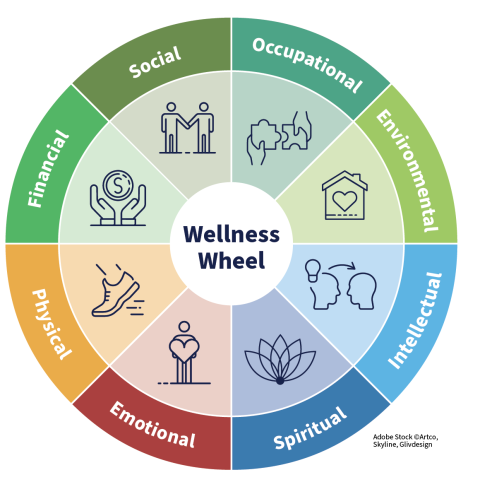
Conventional medical encounters frequently prioritize acute symptom management, often isolating an ailment from the broader context of an individual’s daily life. Effective holistic health assessment protocols transform this paradigm by replacing isolated interventions with a multidimensional analysis. Clinicians look past immediate complaints to investigate patterns across physical, emotional, and social domains, ensuring that underlying triggers are not overshadowed by surface-level manifestations.
1.1.2 Integrating Biological, Psychological, and Environmental Health Data
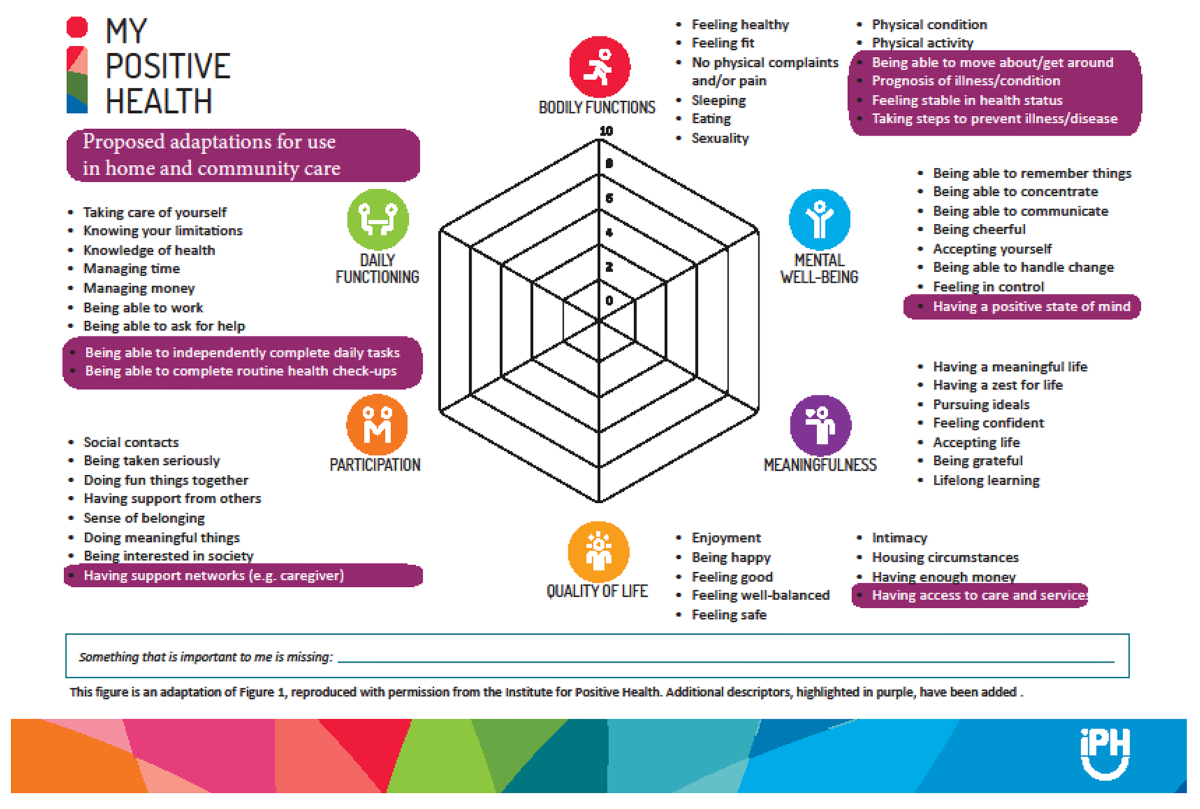
A thorough evaluation requires synthesizing diverse streams of information. By weaving together clinical laboratory markers, psychological resilience scores, and environmental exposures—such as occupational toxins or living conditions—practitioners form a comprehensive profile. This synthesis allows for accurate lifestyle disease risk stratification, helping care teams catch vulnerabilities long before they manifest as chronic pathology.
1.2 Standardizing the Assessment Workflow
1.2.1 Preparing the Clinical Environment for Patient Safety and Vulnerability
The physical and psychological setting dictates how openly a patient shares their health history. Establishing a calm, confidential, and comfortable clinical space signals respect and reduces the anxiety often associated with medical examinations. Thoughtful room layouts and minimal clinical clutter encourage vulnerability, which is essential for gathering honest disclosures regarding sensitive lifestyle habits or mental health struggles.
1.2.2 Building the Therapeutic Alliance Through Active Listening and Rapport
Standardizing a workflow should never compromise the human element of care. Cultivating a robust therapeutic alliance relies heavily on active listening, empathetic eye contact, and non-judgmental communication. When patients feel genuinely heard, diagnostic accuracy improves because they are more likely to share nuanced details about stressors, habits, and symptoms that they might otherwise withhold.
1.3 Tools and Frameworks for Accurate Data Collection
1.3.1 Utilizing Validated Integrative Health Intake Questionnaires
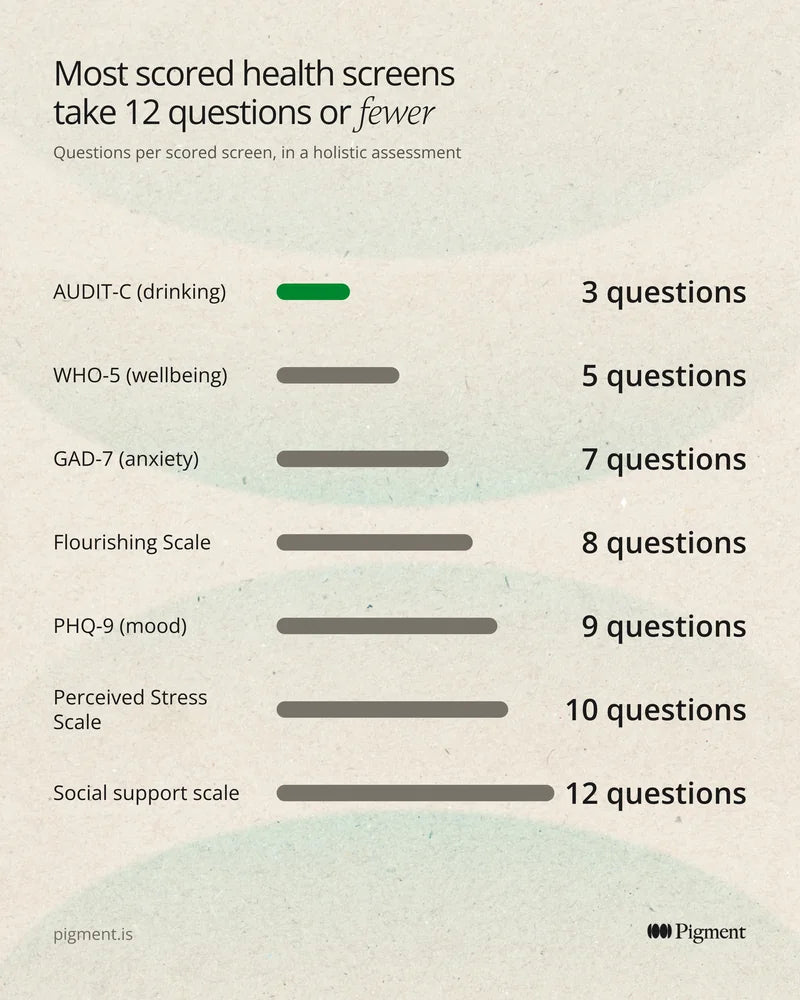
Structured intake forms serve as the foundation for modern integrative evaluations. Utilizing validated questionnaires helps practitioners capture detailed timelines of past illnesses, family histories, and personal wellness goals efficiently. These standardized instruments minimize oversight and provide a baseline metric to track improvements over time.
1.3.2 Assessing Lifestyle Determinants Including Sleep, Nutrition, and Movement
Daily routines heavily influence overall well-being. Detailed evaluations must examine foundational habits, including sleep architecture, dietary nutrient density, and physical activity levels. Pinpointing deficits in these areas yields actionable insights that directly support personalized health guidance tailored to the individual’s schedule and physical capacity.
1.3.3 Measuring Quality of Life Through Existential and Spiritual Well-being Scales
True whole-person care acknowledges that human health extends beyond biological functioning. Incorporating existential and spiritual well-being scales enables clinicians to evaluate a patient’s sense of purpose, community connection, and inner peace. Understanding these subjective dimensions offers critical context for overall vitality and resilience during challenging recovery processes.
2. Strategies for Overcoming Clinical Challenges and Scaling Holistic Health Assessment Protocols
2.1 Navigating Implementation Barriers in Modern Healthcare
Implementing comprehensive care models often encounters systemic friction, particularly regarding time constraints within conventional clinical schedules. Traditional 15-minute appointment slots make deep-dive evaluations difficult. To address this, progressive practices leverage pre-visit digital questionnaires and asynchronous patient data aggregation to streamline the clinical workflow before the face-to-face encounter begins.
Bridging the communication gap between conventional biomedicine and integrative practices is another frequent hurdle. Practitioners must translate complex lifestyle and environmental factors into a language that conventional specialists respect, anchoring integrative findings in measurable clinical endpoints. Furthermore, managing patient skepticism requires transparency and setting realistic care expectations. When individuals understand that true healing is a gradual developmental process rather than an overnight fix, their compliance and therapeutic engagement improve significantly.
2.2 Collaborative Care Planning and Long-Term Success
Moving from data collection to effective intervention demands structured collaborative care planning. Techniques for collaborative synthesis and root-cause analysis allow clinicians and patients to map symptoms back to foundational imbalances, turning abstract lab values into a clear, understandable narrative. This lays the groundwork for co-creating actionable plans that foster authentic patient self-efficacy.
Long-term success relies heavily on structured continuity. Establishing reliable systems for continuous follow-up ensures that treatment adjustments happen dynamically as the patient evolves. For those seeking a deeper dive into crafting structured wellness strategies, reviewing a comprehensive guide on building your holistic health strategy can provide valuable operational frameworks.
2.3 Evaluating Outcomes in Integrative Settings
Evaluating success in whole-person care requires looking far beyond standard vital signs. Defining key metrics for holistic progress involves tracking shifts in vitality, emotional resilience, daily functional capacity, and subjective well-being alongside objective lab markers. This multifaceted approach validates the patient’s entire journey.
Ultimately, the evaluation phase redefines the patient as an active, empowered partner in their own healthcare delivery. By fostering this collaborative feedback loop, clinicians ensure that holistic health assessment protocols remain dynamic, adaptive, and deeply responsive to the individual’s changing life circumstances.
Embracing holistic health assessment protocols marks a fundamental shift in modern clinical practice, moving away from fragmented, symptom-based care toward a truly comprehensive understanding of human wellness. By weaving together biological metrics, psychological insights, and environmental factors, practitioners can craft a personalized health guidance framework that addresses the root causes of imbalance rather than merely managing surface-level complaints. This multidimensional approach not only enhances diagnostic accuracy but also fosters a deep therapeutic alliance, empowering patients to become active, informed partners in their own healing journeys.
As healthcare continues to evolve, standardizing these integrative workflows will remain essential for overcoming time constraints, bridging communication gaps, and scaling effective whole-person care. Ultimately, the success of these evaluations is measured not just by conventional vitals, but by lasting improvements in overall quality of life, resilience, and vitality. Committing to these thorough evaluation methods ensures that care remains genuinely patient-centered, forward-looking, and transformative.