

Navigating the modern healthcare landscape often feels like piecing together a complex puzzle, especially when managing chronic conditions, recovering from major surgery, or seeking treatment for co-occurring mental and physical health concerns. For years, patients have had to bounce between disconnected specialists, repeating their medical histories while enduring disjointed treatments. Today, integrated rehabilitation and recovery clinics are reshaping this experience by uniting diverse medical specialties under a single roof. These multi-disciplinary medical hubs focus on whole-person healing rather than isolating individual symptoms.
In this comprehensive guide, you will learn how these collaborative facilities operate, who benefits most from their services, and what to look for when evaluating care options. Whether you are managing long-term pain or supporting a loved one through post-acute recovery, understanding this model helps you make informed healthcare decisions.
1. Understanding Integrated Rehabilitation and Recovery Clinics and Their Impact on Patient Outcomes
1.1 Defining the Integrated Care Model and Its Clinical Advantages
1.1.1 Evolution from Siloed Healthcare to Whole-Person Healing
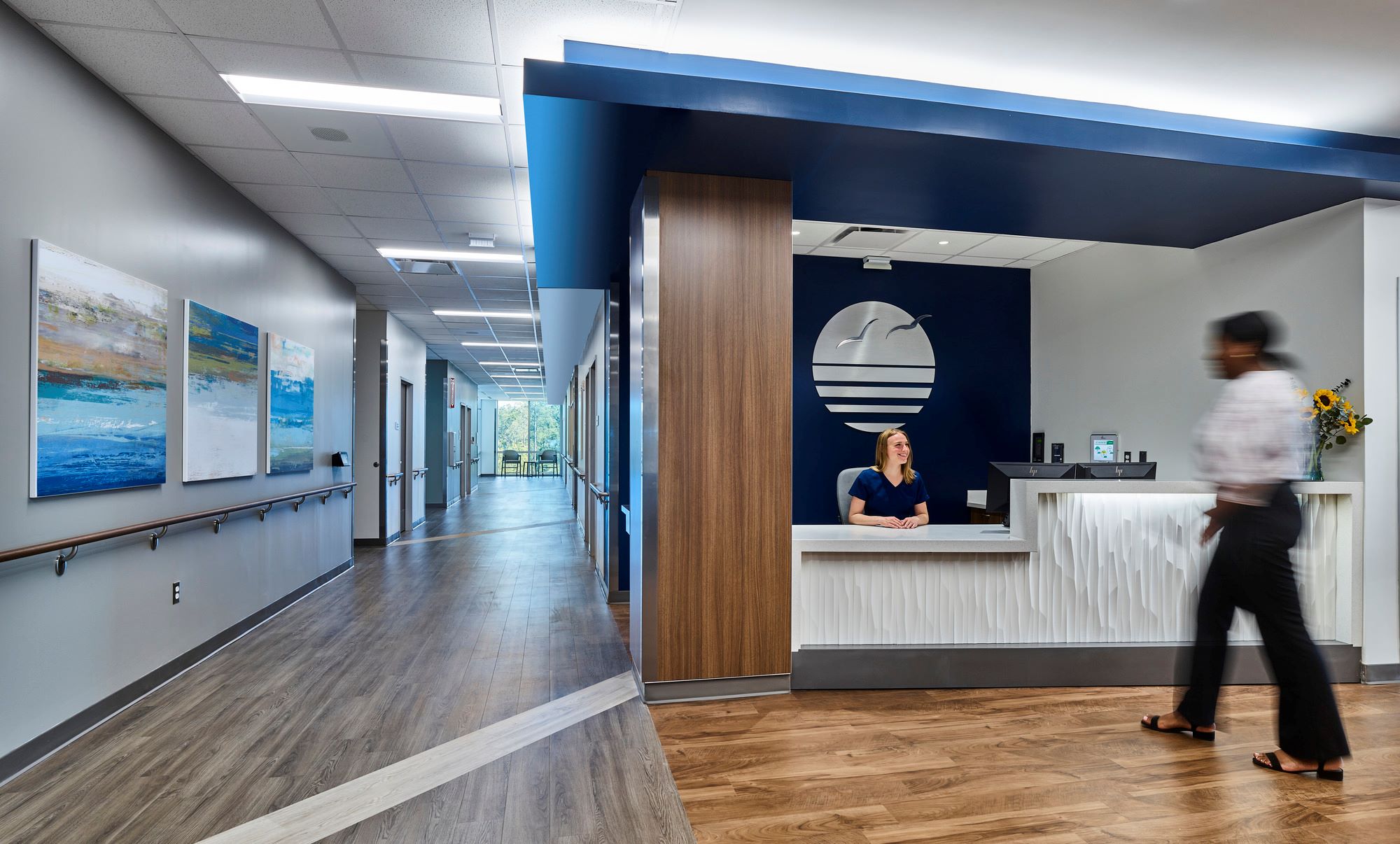
For decades, modern medicine operated on a largely fragmented model. A patient dealing with severe back trauma, for instance, might visit an orthopedic surgeon, a physical therapist at a separate facility, and a behavioral health specialist across town to manage chronic pain-related anxiety. This disconnected approach often left patients acting as their own care coordinators, which frequently resulted in miscommunication, conflicting treatment recommendations, and stalled progress. Integrated rehabilitation and recovery clinics fundamentally shift this paradigm by housing multiple specialties under one roof. By merging medical, physical, and psychological therapies, these multi-disciplinary medical hubs eliminate communication gaps and champion whole-person healing.
1.1.2 The Role of Multidisciplinary Synergy in Accelerating Recovery
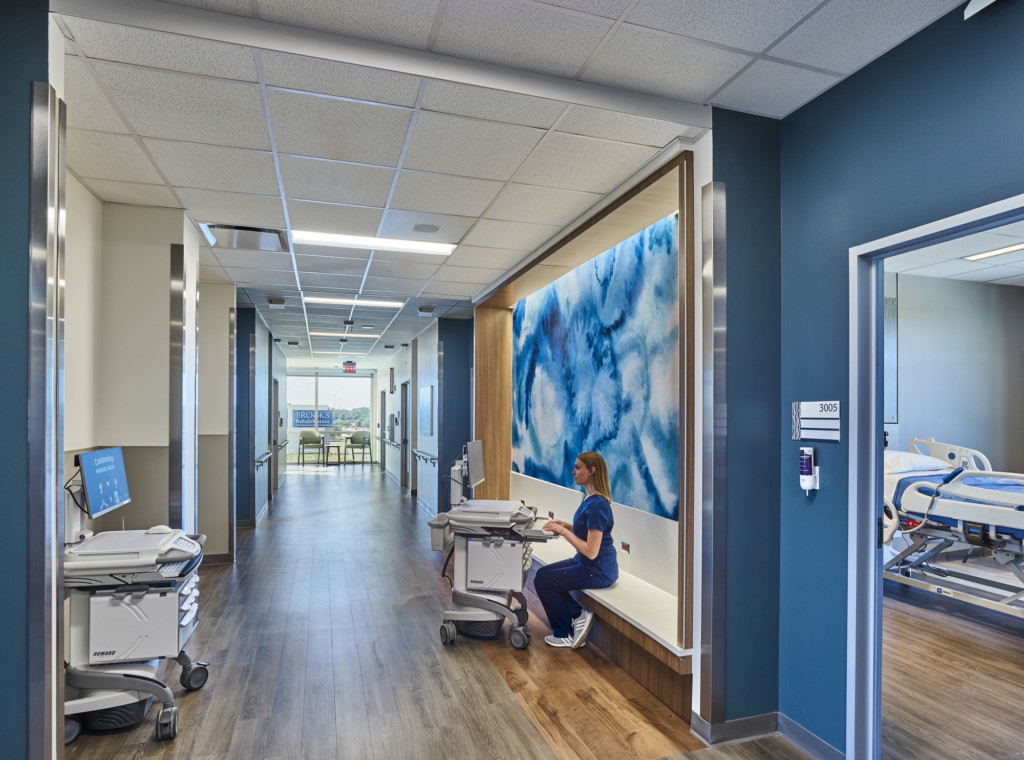
When clinicians communicate daily rather than monthly, the pace of healing changes dramatically. In an integrated environment, physicians, physical therapists, occupational therapists, and mental health counselors share a unified electronic health record and hold regular care conferences. This synergy allows teams to adjust treatment plans in real time. If a patient experiences a setback during physical rehabilitation, the behavioral health specialist is immediately looped in to address the psychological barriers of pain flare-ups. This proactive teamwork directly enhances overall clinical treatment outcomes.
1.2 Who Benefits Most from Integrated Rehabilitation and Recovery Clinics
1.2.1 Chronic Pain Management and Functional Restoration
Individuals suffering from persistent musculoskeletal conditions or centralized pain syndromes often find little relief through single-modality treatments. Integrated rehabilitation and recovery clinics specialize in functional restoration by combining interventional pain management, targeted physical therapy, and cognitive behavioral therapy. This multidisciplinary approach helps patients regain mobility, reduce reliance on opioids, and rebuild their daily functioning.
1.2.2 Addressing Co-Occurring Mental Health and Substance Use Disorders
Dual-diagnosis patients—those managing both a mental health condition and a substance use disorder—require synchronized care to prevent revolving-door hospitalizations. Treating addiction without addressing underlying trauma or depression usually leads to relapse. Integrated recovery settings provide simultaneous, coordinated interventions that treat the whole individual, supporting long-term sobriety and emotional stability.
1.2.3 Neurological Rehabilitation and Post-Surgical Recovery Pathways
Patients recovering from strokes, traumatic brain injuries, or complex orthopedic surgeries benefit immensely from structured, intensive care pathways. Having access to specialized diagnostic centers and coordinated therapy teams ensures that every stage of motor and cognitive recovery is carefully monitored and optimized.
1.3 Core Components of High-Functioning Integrated Care Teams
1.3.1 Coordinating Medical, Physical, and Behavioral Health Professionals
The backbone of any successful integrated facility is its team chemistry and structural design. Physiatrists, physical therapists, nurses, and psychologists must operate as collaborative interdisciplinary care nodes. Each discipline brings a vital perspective, ensuring that medical stabilization, physical conditioning, and emotional resilience are addressed concurrently rather than sequentially.
1.3.2 The Strategic Role of Case Managers and Care Navigators in Patient Success
Even the most comprehensive care team can overwhelm a recovering patient without proper guidance. Case managers and care navigators act as the primary point of contact, steering patients through complex treatment schedules, insurance authorizations, and post-discharge planning. By functioning as patient-centered care excellence centers, these clinics rely heavily on dedicated navigators to ensure that patients remain engaged, informed, and supported throughout their entire recovery journey.
2. Strategic Selection and Navigating the Integrated Recovery Journey
2.1 The Clinical Treatment Process from Intake to Long-Term Maintenance
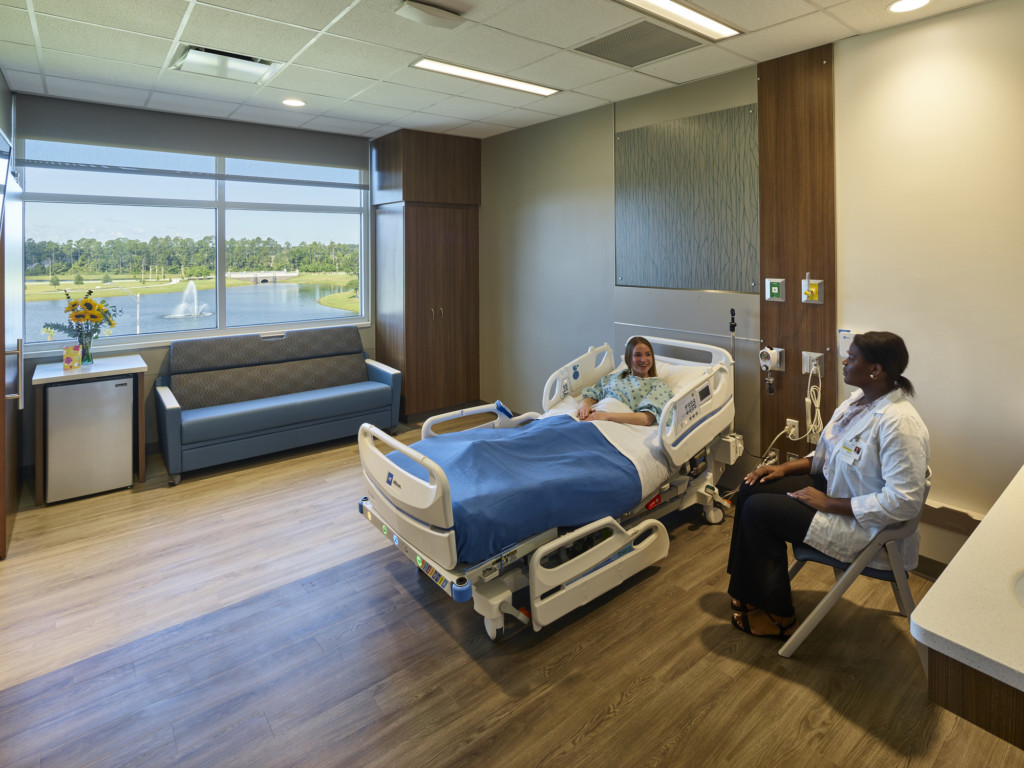
Navigating the journey through integrated rehabilitation and recovery clinics begins long before physical or behavioral therapies commence. The pathway is purposefully structured to guide patients smoothly from initial vulnerability to empowered, independent living.
2.1.1 Rapid Assessment and Personalized Multi-Modal Treatment Design
The intake phase utilizes a holistic evaluation model where physicians, physical therapists, and mental health clinicians assess the patient simultaneously. This diagnostic coordination prevents fragmented care and feeds directly into building **patient-centered care excellence centers** that tailor every intervention to individual physical limitations, psychological triggers, and lifestyle goals.
2.1.2 Active Interdisciplinary Collaboration and Proactive Progress Monitoring
As treatment advances, **collaborative interdisciplinary care nodes** meet regularly to review real-time progress metrics. By sharing observations across specialties—such as how a chronic pain flare-up impacts a patient’s anxiety levels—the team adjusts therapeutic intensity dynamically, optimizing overall **clinical treatment outcomes** without requiring separate appointments across town.
2.1.3 Transitioning to Long-Term Relapse Prevention and Community Reintegration
Long-term recovery relies on establishing resilient daily habits and robust community support networks. Before discharging a patient, the care team designs a graduation roadmap that includes continued peer support, scheduled wellness check-ins, and coping strategies designed to withstand everyday stressors.
2.2 Evaluating Quality and Financial Feasibility for Integrated Care
Choosing the right facility requires looking beyond glossy brochures to evaluate operational standards, safety records, and financial transparency.
2.2.1 Identifying Key Accreditation Markers such as CARF and The Joint Commission
High-caliber **multi-disciplinary medical hubs** voluntarily submit to rigorous evaluations by independent bodies like the Commission on Accreditation of Rehabilitation Facilities (CARF) or The Joint Commission. These accreditations verify that a facility meets stringent standards for patient safety, clinical efficacy, and ethical business operations.
2.2.2 Analyzing Insurance Coverage for Integrated Rehabilitation and Recovery Clinics
Navigating healthcare financing can feel overwhelming, but understanding how insurance providers process coordinated care simplifies the process. For guidance on evaluating your policy, review this helpful Health Plan Interpretation: A Guide to Your Coverage to ensure your multi-specialty services are fully maximized under your plan.
2.2.3 Vetting Facilities Through Critical Consultation Questions and Red Flag Awareness
When touring prospective clinics, ask pointed questions about staff-to-patient ratios, physician availability, and how treatment plans are modified when progress stalls. Red flags include high staff turnover, vague billing practices, or a reluctance to include family members in the recovery planning process.
2.3 Frequently Asked Questions Regarding Integrated Recovery
Patients and their families frequently have practical questions about how these comprehensive models function compared to conventional healthcare settings.
2.3.1 Distinguishing Integrated Care from Standard Outpatient Physical Therapy
While standard physical therapy focuses strictly on musculoskeletal mechanics, integrated recovery treats the whole person by embedding mental health support, nutritional counseling, and medical oversight directly into the physical rehabilitation routine.
2.3.2 Assessing Sustainability and Duration of Comprehensive Treatment Programs
Program lengths vary based on clinical necessity, ranging from intensive multi-week day programs to step-down outpatient schedules. The primary objective is sustainable functional independence rather than prolonged dependency on clinical oversight.
2.3.3 Navigating Telehealth Options and Accessibility Within Integrated Networks
Modern integrated clinics frequently blend in-person therapies with virtual check-ins to maintain continuity of care when patients return home or face mobility constraints.
Navigating the complexities of modern healthcare often reveals the limitations of treating isolated symptoms in separate medical silos. Integrated rehabilitation and recovery clinics represent a transformative shift toward holistic, whole-person healing. By uniting medical doctors, physical therapists, behavioral health specialists, and care navigators under a single roof, these comprehensive centers foster the kind of collaborative interdisciplinary care nodes essential for achieving sustainable, long-term health improvements.
As you evaluate your own healthcare options or design a personal wellness roadmap, prioritizing facilities that champion structured team communication and rigorous accreditation can fundamentally change your trajectory. Whether managing chronic conditions, recovering from major orthopedic or neurological events, or seeking robust support for co-occurring disorders, a unified care model ensures that every aspect of your well-being is addressed. To make the most informed decision for your unique situation, review our guide on choosing accredited healthcare facilities to ensure the center you select meets the highest standards of safety, quality, and patient-centered excellence.