
When facing a complex medical procedure, finding the right facility can feel overwhelming, especially when weighing advanced surgical options. Today, choosing clinics with robotic surgery capabilities involves looking beyond the marketing hype to understand how technology truly impacts patient care. From enhanced precision to faster recovery times, modern surgical platforms have transformed what patients can expect from their treatments.
Evaluating these advanced facilities requires looking closely at how procedures are performed, the specialized training of your surgical team, and the overall standards of care upheld by the institution. Whether you are researching options for urology, gynecology, or general surgery, understanding medical technology integration status in top facilities can help you make a confident, well-informed choice. In the sections below, we will break down how robotic surgical systems actually function, what safety measures remain in place, and what you should look for when selecting a high-performing healthcare provider for your upcoming procedure.
1. Understanding Robotic Surgery Technology and Its Clinical Applications
1.1 How Modern Robotic Surgical Systems Function
1.1.1 The Role of the Surgeon Console and Robotic Arms
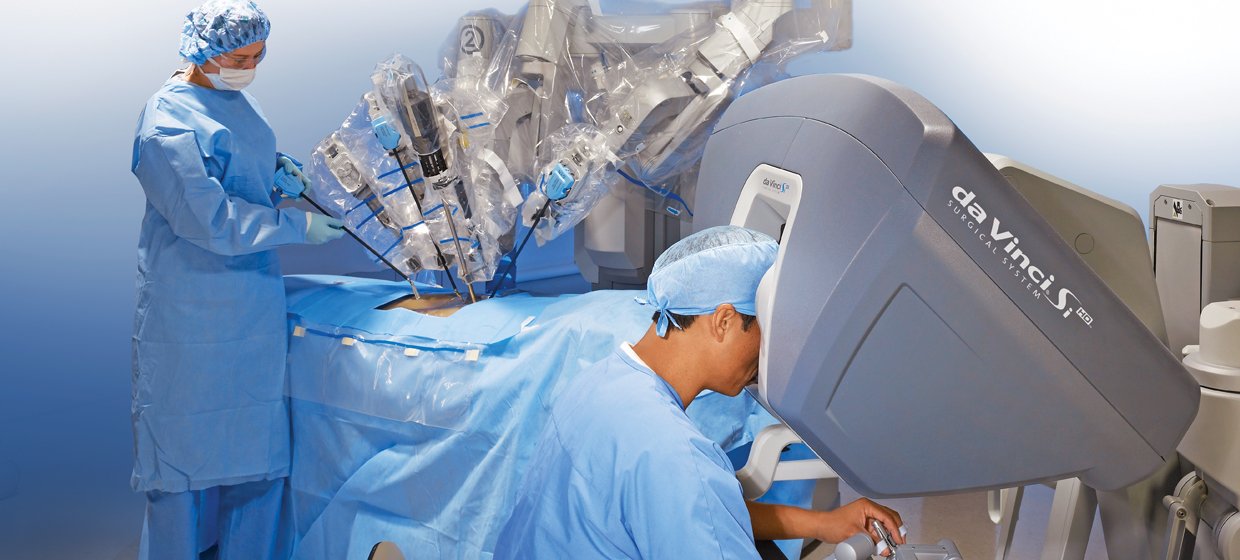
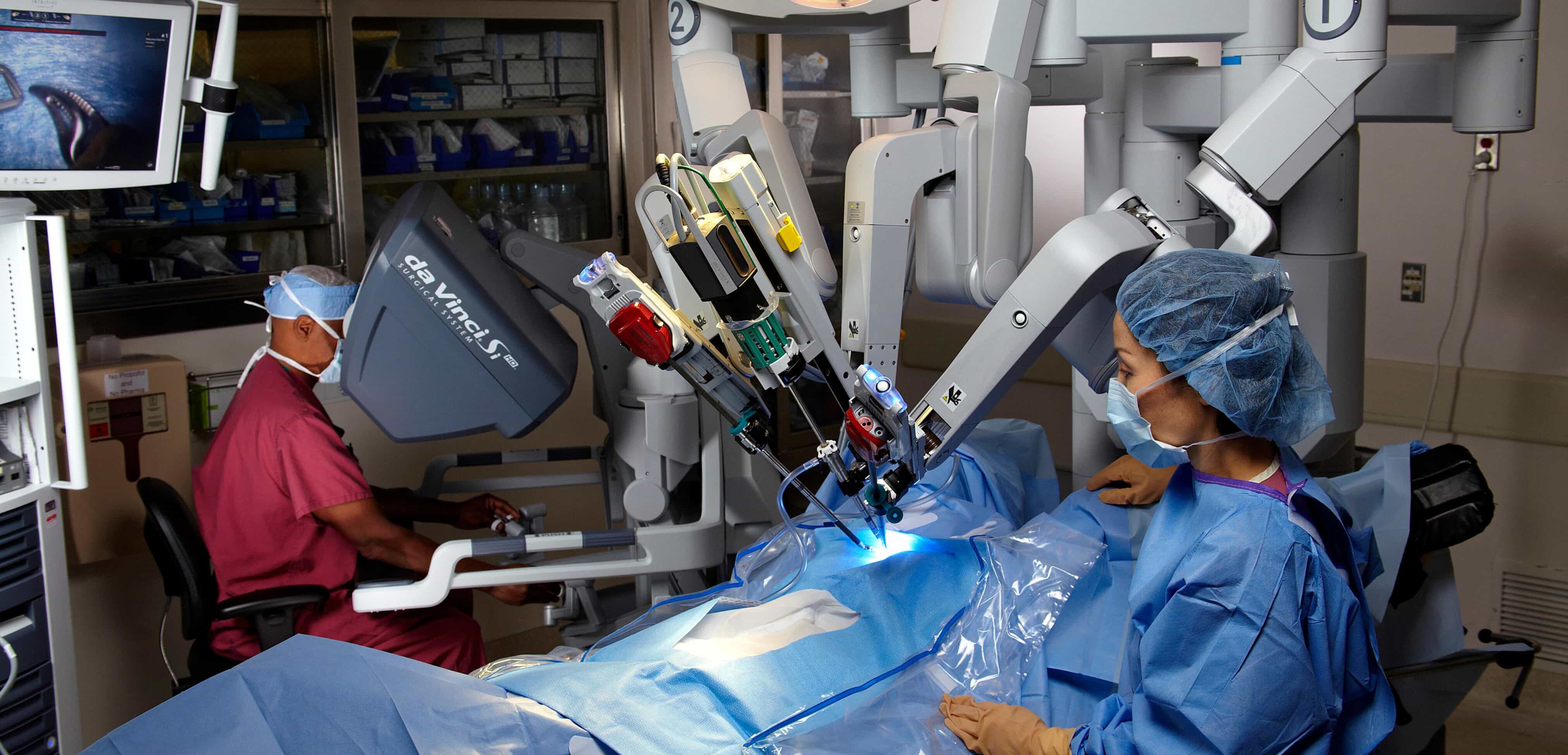
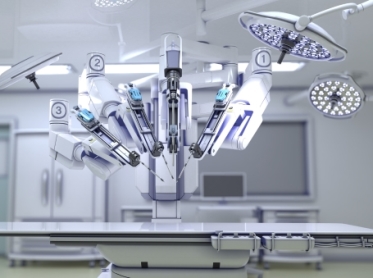
When patients explore clinics with robotic surgery capabilities, they often wonder how these advanced tools actually operate in the operating room. At the center of the technology is the surgeon console, where the physician sits during the procedure. Rather than standing directly over the patient, the surgeon looks into a high-magnification viewing screen that translates hand movements into micro-scaled actions. These inputs are sent instantly to multi-jointed robotic arms equipped with specialized surgical instruments. This setup filters out any natural human hand tremors, allowing for exceptional stability during delicate maneuvers in tight anatomical spaces.
1.1.2 High Definition 3D Visualization and Instrument Precision
Modern platforms elevate surgical precision through high-definition 3D visualization. Instead of a flat, two-dimensional monitor view, the operating team experiences a crystal-clear, magnified stereoscopic perspective of the surgical field. This enhanced depth perception helps physicians navigate complex networks of blood vessels, nerves, and surrounding tissues with confidence. Furthermore, the wristed instruments attached to the robotic arms boast a range of motion that far exceeds the limits of the human wrist, facilitating complex suturing and dissection that would be exceptionally challenging through traditional open or standard laparoscopic approaches.
1.2 Clarifying the Truth About Robotic Surgery
1.2.1 Debunking the Myth of Autonomous Robotic Surgery
A common misconception among patients is that the robot performs the operation independently based on pre-programmed instructions or artificial intelligence. In reality, modern surgical systems are entirely dependent on human guidance. The technology cannot make decisions, initiate movements, or execute steps on its own. Every single incision, stitch, and adjustment is directly driven by the operating surgeon in real time, ensuring that human clinical judgment remains at the heart of every procedure.
1.2.2 Human Oversight and Real Time Surgeon Control
Patient safety is maintained through continuous human oversight and fail-safe engineering. The system features interactive safety locks and constant monitoring to ensure that the robotic arms only move when the surgeon’s fingers are properly engaged in the master control console. If the physician looks away from the viewer or releases the controls, the system immediately pauses all instrument movement. This fail-safe architecture guarantees that the physician maintains absolute control from the initial incision to the final closure, aligning with the rigorous standards upheld by medical technology integration status benchmarks across leading healthcare institutions.
1.3 Medical Specialties and Procedures Utilizing Robotic Technology
1.3.1 Robotic Procedures in Urology and Gynecology
Robotic-assisted surgery has revolutionized several medical specialties, most notably urology and gynecology. In urological applications, such as radical prostatectomies, the precision of the robotic platform helps preserve critical nerves responsible for urinary control and sexual function. Similarly, gynecological surgeons utilize these systems for complex hysterectomies, myomectomies, and the treatment of severe endometriosis. The enhanced dexterity allows specialists to operate on delicate pelvic structures while minimizing blood loss and reducing overall postoperative discomfort.
1.3.2 Advancements in General Surgery and Orthopedic Robotics
Beyond pelvic applications, general surgery and orthopedics have experienced major advancements through robotic integration. General surgeons frequently utilize these systems for complex hernia repairs, bariatric procedures, and colorectal resections, where navigating confined abdominal spaces is crucial. In orthopedics, robotic-assisted arm systems help joint replacement specialists map patient-specific anatomy with sub-millimeter accuracy. This technological alignment ensures optimal implant placement and contributes directly to favorable clinical treatment outcomes for individuals undergoing knee and hip replacement therapies.
Evaluating Clinics with Robotic Surgery Capabilities for Your Care
Assessing Facility Standards and Surgical Expertise
Identifying Top Tier Robotic Platforms like da Vinci
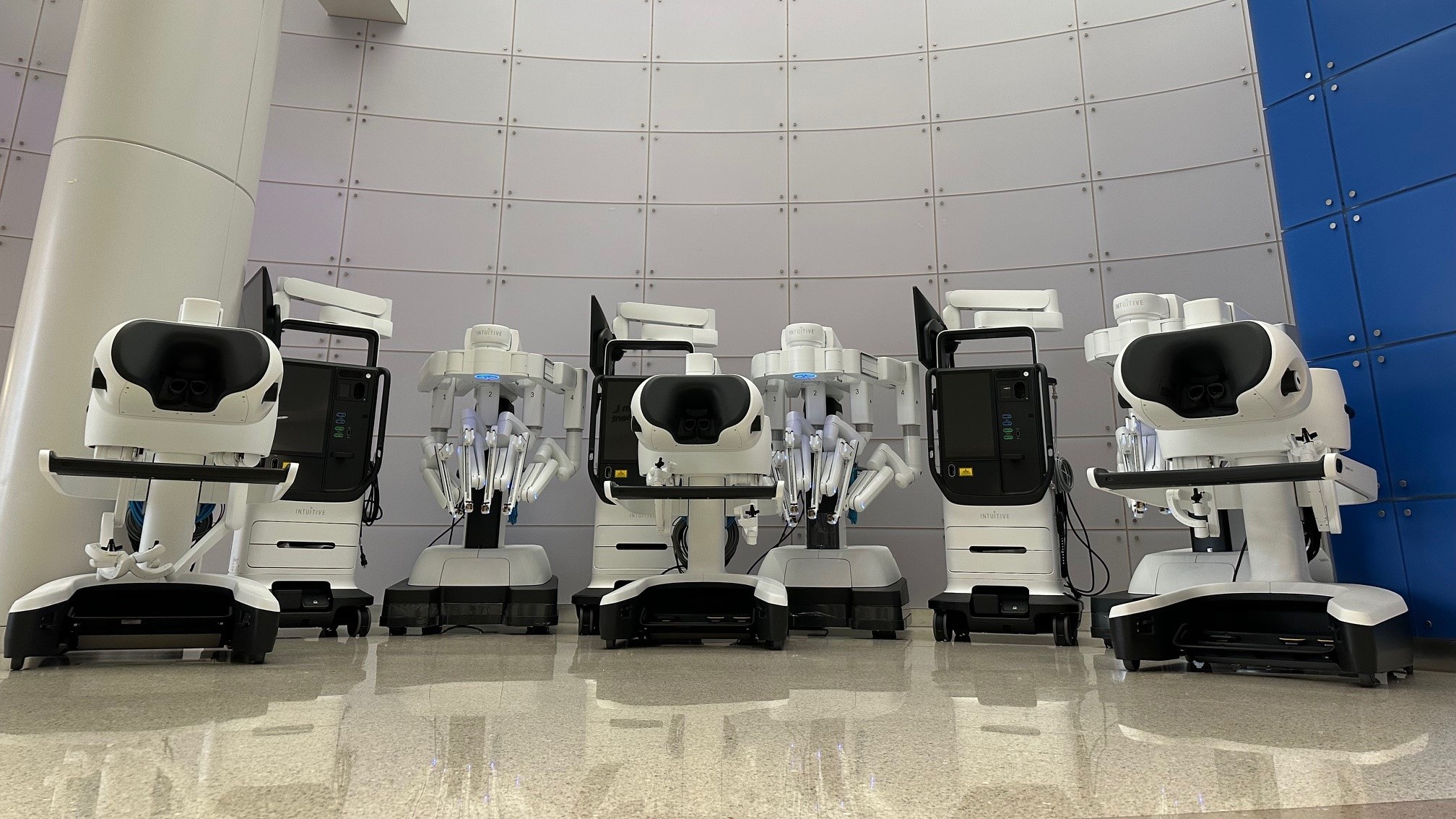
When investigating clinics with robotic surgery capabilities, understanding the underlying infrastructure is a crucial first step. Facilities often feature platforms such as the da Vinci surgical system, which enhances precision through specialized wristed instruments. Reviewing the medical technology integration status of a facility reveals whether they continuously update their equipment or rely on legacy machinery. State-of-the-art platforms translate finger movements into smaller, more precise micro-movements inside the body, minimizing tissue trauma.
Verifying Surgeon Training and Procedural Volume
Advanced machinery is only as effective as the clinician operating it. Prospective patients should inquire about the specialist’s credentialing, fellowship training specific to robotic platforms, and annual procedure counts. Reviewing a high-volume surgical centers comparison can provide valuable context regarding how case frequency correlates with lower complication rates and smoother recovery paths. Highly experienced surgeons typically demonstrate superior efficiency and refined technique during complex maneuvers.
Checking Facility Accreditation and Safety Ratings
Beyond individual expertise, the operational environment dictates overall safety. Choosing accredited healthcare facilities ensures that the clinic meets rigorous national standards for infection control, anesthesia administration, and postoperative monitoring. Independent hospital safety grades and surgical specialty accreditations offer objective metrics regarding a center’s dedication to maintaining a sterile, highly regulated clinical setting.
Patient Preparation and the Recovery Pathway
Critical Questions to Ask During Your Consultation
A proactive consultation empowers you to make informed decisions about your treatment plan. Consider asking your surgeon about their specific complication rates with robotic modalities, alternative treatment options, and what contingencies are in place should the team need to transition to open or laparoscopic methods mid-procedure. Clear communication sets realistic expectations and aligns patient goals with surgical realities.
Navigating Insurance Coverage and Out of Pocket Costs
While robotic assistance is widely adopted, coverage specifics vary significantly by provider and insurance plan. It is essential to verify whether the facility, the primary surgeon, and the robotic technology fees are fully in-network. Clarifying pre-authorization requirements early helps prevent unexpected financial burdens associated with advanced surgical interventions.
Pre-operative Guidelines and Long Term Recovery Expectations
Preparing for a robotic-assisted procedure involves strict adherence to pre-operative instructions, ranging from medication adjustments to fasting schedules. Because these minimally invasive techniques generally involve smaller incisions, patients often experience reduced postoperative pain and shorter hospital stays. Understanding clinical treatment outcomes helps set appropriate milestones for returning to normal daily activities and physical exercise.
Navigating the landscape of modern medicine requires a careful balance of technological appreciation and practical discernment. When you are exploring clinics with robotic surgery capabilities, remember that the advanced console and high-definition tools are ultimately extensions of your surgeon’s hands and experience. Cutting-edge technology is certainly a powerful asset, but it works best when paired with rigorous institutional safety protocols and specialized surgical expertise.
Before making your final healthcare decisions, it is always wise to look closely at verified credentials, review clinical treatment outcomes, and engage in open dialogue with your care team. By asking the right questions about procedural volume, recovery expectations, and facility accreditations, you can step into your treatment plan with confidence, clarity, and peace of mind.